
Supporting the Signal: Why Structural Design Matters in Traffic Systems
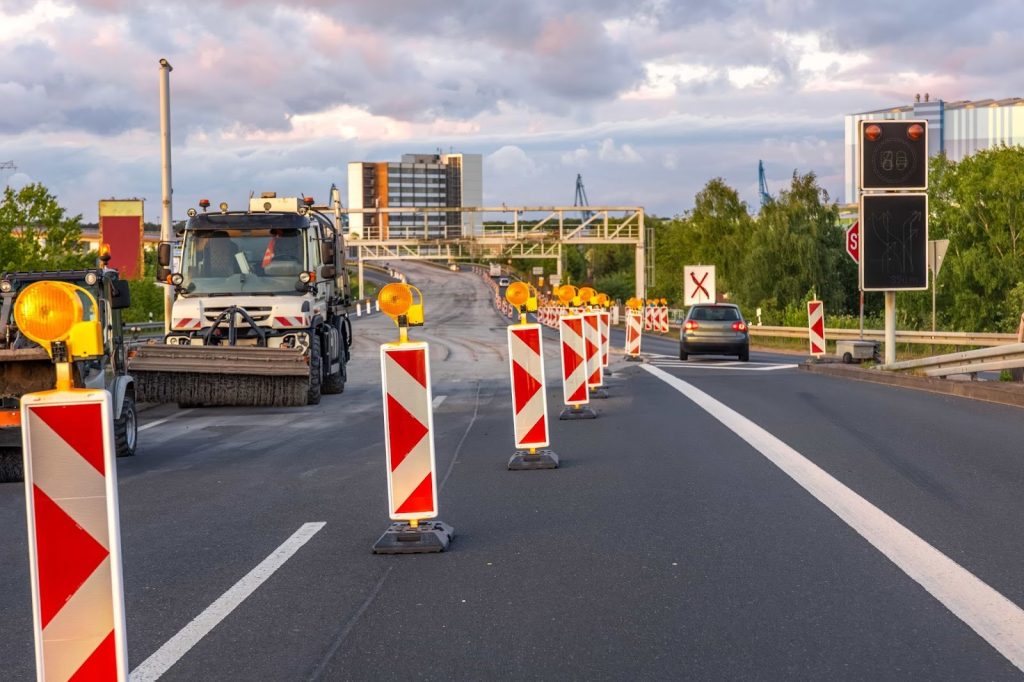
Traffic management systems are typically judged on the basis of their technology — signal timing, sensor accuracy, and the control software. But the physical infrastructure behind them gets much less scrutiny. A signal that appears to be operating perfectly at the control level can still go awry if the structural underpinnings are undermined. The poles, mounts, and hardware that hold signals in place are as integral to keeping roads safe as the electronics they carry.
Why Structural Stability Is Critical for Traffic Signals
An unstable signal support poses an immediate hazard. When poles are displaced, tilted, or vibrated to a large extent, signal heads become misaligned from their calibrated alignment. Drivers waiting to cross an intersection sometimes discover that the signals are aimed at the wrong angles, discouraging them from seeing the light changes clearly and fast.
Environmental loads are constantly acting on these support members. Wind loading is critical – signals have a large, flat face that catches the wind at a distance, creating a side load that is directly transferred to the pole and the foundation. These forces are greatly increased in storm conditions.
Aside from wind, thermal expansion and contraction also weaken the structure over time. Those materials that are not able to accommodate changes in temperature, for example, become stress fractured, joints loosen, and the foundation cracks. Prolonged exposure to the environment is among the leading causes of signal supports failing before the electronics they support.
Key Design Factors in Modern Signal Support Systems
The selection of material is the basis of any trustworthy supporting body. Steel and aluminum alloy are the most popular choices because of the ratio of strength to weight, but the grade and treatment process can greatly affect the long-term performance when exposed to load and weather.
Rust resistance is an absolute must in most climates. Salt air from the ocean in coastal regions, chemicals used to de-ice roads in colder climates, and heavy humidity in tropical areas all contribute to the wear and tear of metal. Hot-dip galvanizing and powder coating significantly increase the life of the product, minimizing structural inspections.
Properly designed traffic light poles are engineered to unique load-bearing requirements, including signal head weight, wind pressure, and vibration. Improperly sized or specified poles can seem to be adequate at first, but will deteriorate more quickly in an operational environment.
Long-Term Benefits for Safety and Maintenance
Investment in structurally sound supporting infrastructure yields compounded dividends over time. Corrosion-resistant poles that stay straight also minimize the need for costly emergency repairs and interrupions to traffic flow.
Dependable traffic light poles also maintain signal visibility throughout their service life. Poles that accurately hold position help ensure that signals are seen from the right distance and angle, maintaining the desired levels of safety that the system was intended to establish.
In terms of expense, a stronger infrastructure means fewer replacements and less reactive maintenance. Road authorities have predictable maintenance cycles and reduced overall expenditure over the life of the network.
Conclusion
Structural reliability is not just an afterthought in traffic control—it’s the basis from which all else flows. Signal electronics are wholly reliant on the stability of that which underpins them. Durable, appropriately specified, supporting infrastructure safeguards both the technology it houses and the people who depend on it day in, day out.
