
Strategic Approaches to Securing Business Class Flight Deals
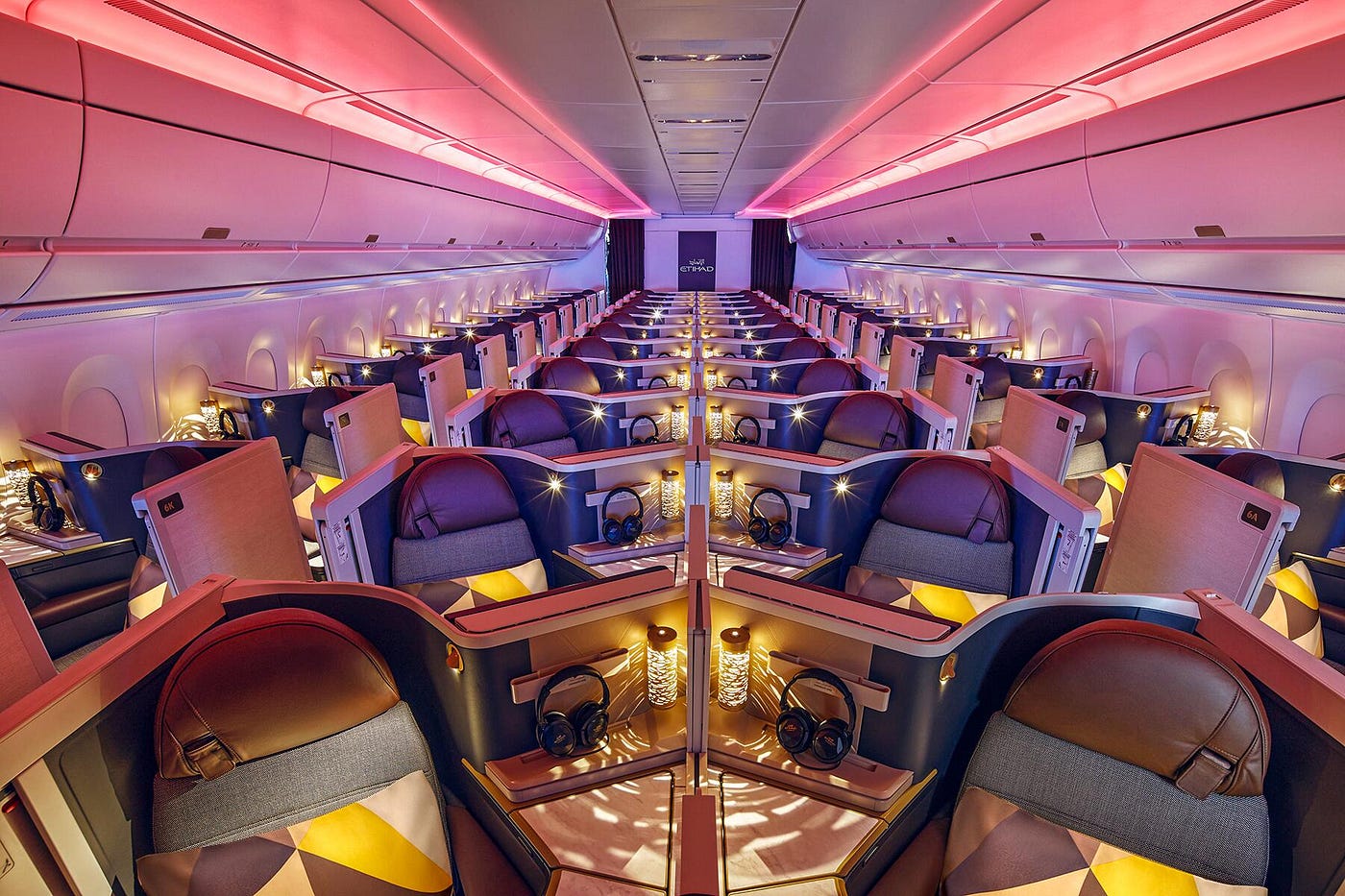
Premium cabin travel traditionally commands substantial price premiums, with business class fares often costing 3-5 times economy pricing on identical routes. However, savvy travelers employing strategic booking approaches, leveraging loyalty programs, and timing purchases optimally consistently secure business class seats at prices approaching premium economy or even deeply discounted business class rates. Understanding where to look, when to book, and which strategies yield best results transforms business class from exclusive luxury reserved for corporate travelers into accessible options for strategic leisure travelers.
For budget-conscious travelers seeking business class flight deals, the marketplace offers more opportunities than commonly recognized. While never reaching economy pricing, business class deals reducing costs by 40-60% appear regularly for those monitoring the right channels and acting decisively. The combination of airline revenue management practices, competitive market dynamics, loyalty program mechanics, and booking timing creates multiple pathways to affordable premium cabin access. This comprehensive guide reveals insider strategies enabling regular business class travel without corresponding budgetary burden.
Understanding Deal Dynamics and Availability
Revenue Management and Pricing Patterns
Airlines employ sophisticated algorithms determining pricing based on booking pace, competitor actions, seasonal demand, and inventory management. Business class presents unique challenges as limited seat counts mean revenue optimization requires balancing load factors against per-seat revenue. This creates periodic discounting when booking pace lags projections, providing opportunities for value-conscious shoppers.
Contrary to common belief, business class pricing doesn’t simply scale linearly from economy fares. Different demand patterns, customer segments, and booking behaviors mean business class pricing follows independent dynamics. Routes with strong business travel compete differently than leisure-focused routes. Understanding these nuances enables identifying systematically underpriced routes or periods.
According to research from Airlines for America, pricing strategies vary substantially across carriers. Legacy carriers with established business clientele price differently than newer competitors seeking market share. Understanding carrier-specific approaches reveals which airlines most frequently discount business class and under what circumstances.
Seasonal and Route-Specific Patterns
Business class demand patterns differ substantially from economy. Corporate travel maintains relatively steady year-round demand, supporting stable pricing on business-focused routes. However, leisure-oriented routes experience seasonal fluctuations creating deal opportunities during shoulder seasons when leisure demand decreases but corporate travel remains constant.
Off-peak periods for specific routes present optimal deal windows. European destinations during winter, Asian routes during summer, and avoiding major holiday periods typically yield better availability and pricing. Research regarding destination-specific low seasons enables timing flexible travel for optimal value.
Competitive route dynamics influence pricing substantially. Routes served by multiple carriers featuring intense competition often showcase more aggressive pricing than carrier-dominated routes. Middle Eastern carriers disrupting traditional pricing on routes they serve create benchmark pricing forcing legacy carriers to compete, benefiting price-conscious travelers across all competitors on affected routes.
Booking Channels and Search Strategies
Comparison Tools and Aggregators
Comprehensive fare comparison requires checking multiple sources as different channels access different inventory and pricing. Online travel agencies, airline direct booking, consolidators, and specialized business class travel agencies each access potentially unique fare classes or negotiated rates. Systematic comparison across channels reveals best available pricing.
Flexible date searching proves particularly valuable for business class given lower seat counts and more variable availability. Calendar views displaying pricing across multiple dates identify optimal travel dates balancing cost and schedule preferences. Even single-day shifts sometimes yield substantial savings warranting minor itinerary adjustments.
Alternative airport searches expand options particularly in metropolitan areas served by multiple airports. Comparing fares from nearby airports sometimes reveals significant variations justifying modest positioning cost and effort. This strategy proves particularly effective for travelers equidistant from multiple international gateways.
Direct Airline Engagement
Contrary to assumption, airline websites don’t always show best available pricing. However, certain deals, particularly error fares or flash sales, sometimes appear exclusively on airline direct channels. Additionally, customer service representatives occasionally access unpublished fares or promotional inventory not visible in public booking systems.
Calling airlines directly, particularly smaller or foreign carriers, sometimes uncovers better pricing than online booking. Language barriers or less sophisticated online booking systems mean phone agents access inventory or pricing unavailable through digital channels. This old-fashioned approach occasionally yields surprising results despite added effort.
Monitoring airline social media and newsletters provides advance notification of sales before general announcement. Flash sale inventory depletes rapidly, with early awareness providing competitive advantage. Following multiple airlines across social platforms and email creates comprehensive deal awareness network.
Loyalty Programs and Miles Strategies
Award Booking Opportunities
Frequent flyer award tickets represent most accessible business class for many travelers. While requiring substantial mile accumulations, strategic earning through credit card spending, signup bonuses, and shopping portals enables accumulating award balances without excessive flight activity. Business class awards, though expensive in miles, often represent superior value compared to economy redemptions.
Partner award bookings sometimes offer better value than direct carrier redemptions. Alliance structures enable booking partner carriers using accumulated miles, with some partners pricing awards more favorably than others. Understanding program-specific award charts and partner availability enables optimizing redemption value.
Off-peak awards offered by some programs require fewer miles for travel during specific periods. Cathay Pacific, British Airways, and others maintain off-peak award pricing substantially below peak pricing for identical routes. Timing travel during these windows substantially extends mile purchasing power.
Strategic Mileage Earning
Credit card signup bonuses provide fastest path to substantial mile balances. Premium travel cards offering 60,000-100,000+ bonus miles after meeting minimum spend requirements can cover large portions of business class award tickets. Strategic timing of applications and meeting spend requirements through regular expenses rather than unnecessary spending maintains financial prudence while maximizing rewards.
Category spending bonuses accelerate earning. Cards offering 3-5x miles on dining, travel, or grocery spending amplify everyday expenditure returns. Combining multiple cards optimizing different spending categories maximizes earning efficiency. Paying annual fees proves worthwhile when bonus earning and additional benefits exceed fee costs.
Shopping portal bonuses provide supplemental earning through online purchases already being made. Clicking through airline or credit card shopping portals before online shopping awards bonus miles for purchases from participating retailers. While not transformative individually, consistent portal use accumulates substantial bonuses over time.
Upgrade Strategies and Certificates
Upgrade certificates earned through elite status or credit card benefits enable business class access while initially booking economy. Understanding upgrade clearing probabilities based on route, season, and fare class purchased increases success likelihood. Some routes and dates clear upgrades highly predictably, while others rarely confirm.
Paid upgrades at booking or check-in represent middle ground between full business class tickets and economy gambling on operational upgrades. Pricing varies but typically falls between economy and business class, providing confirmed premium access at moderate premium. This approach eliminates upgrade uncertainty while controlling costs below full business class.
Operational upgrades occur when airlines need business class seats for displaced passengers from prior flights or choose to upgrade elite members. While unpredictable, maintaining elite status and checking in early maximizes operational upgrade probability. Some strategic travelers book economy on flights with historically high upgrade rates, accepting uncertainty for potential savings.
Deal Alert Services and Monitoring
Automated Notification Systems
Dedicated deal alert services including Secret Flying, The Flight Deal, and others monitor fares continuously, alerting subscribers to exceptional pricing. Business class-specific alerts identify premium cabin deals enabling quick action when opportunities arise. Free services provide basic alerts, while premium subscriptions offer advanced filtering and earlier notification.
Setting personal alerts through Google Flights, airline websites, or travel agency platforms enables passive monitoring of desired routes. Defining specific route pairs, date ranges, and price thresholds creates automated surveillance requiring no ongoing effort. Alerts notify when fares drop below thresholds, enabling quick evaluation and booking of legitimate opportunities.
Social media deal communities including FlyerTalk, Reddit’s r/AwardTravel, and Facebook groups share deal discoveries. Community members post exceptional fares they’ve discovered, benefiting other members. Active participation and quick response to posted deals enables accessing limited-inventory opportunities before depletion.
Mistake Fares and Flash Sales
Understanding Error Fares
Pricing errors occasionally create extraordinary deals when airlines accidentally publish business class fares dramatically below market rates. These mistake fares result from decimal point errors, currency conversion mistakes, or system glitches. While rare, they create opportunities for exceptional value when discovered quickly.
Airline honor rates vary substantially. Some carriers honor mistake fares citing customer service and avoiding negative publicity, while others cancel bookings citing “manifest error” contract terms. European airlines generally honor more consistently than American carriers, though no absolute patterns exist. Booking multiple tickets or routes simultaneously hedges against cancellation impact.
Acting quickly proves essential as mistake fares generate viral attention leading to rapid inventory depletion. Decision paralysis costs opportunities. Having payment methods ready, understanding desired routes, and being prepared to book decisively upon discovering legitimate mistake fares maximizes success probability.
Flash Sale Strategies
Airlines periodically launch flash sales promoting specific routes or general inventory during slow booking periods. Sales typically offer 20-40% discounts off standard pricing with restricted travel dates and limited availability. Monitoring announcement channels and acting quickly captures limited inventory before sell-out.
Sale terms require careful review as restrictions including blackout dates, advance purchase requirements, change fees, and cancellation penalties affect actual value. Some sales represent genuine opportunities while others feature minimal discounts with substantial restrictions diminishing value. Comparing sale fares against historical pricing provides context regarding deal quality.
Positioning for sales through newsletter subscriptions, social media following, and deal alert services provides earliest notification. Major sales generate widespread attention and rapid inventory depletion. Early awareness provides crucial advantage in competitive booking environment.
Alternative Booking Approaches
Premium Economy as Middle Ground
Premium economy cabins offer intermediate option between economy and business class. Enhanced seating with greater pitch and width, upgraded meal service, and some business class ground services provide meaningful improvements at approximately 50-100% premium over economy rather than business class’s 200-400% premium.
For travelers seeking comfort improvements without business class investment, premium economy delivers substantial value. On routes where business class proves prohibitively expensive, premium economy provides accessible luxury enhancing travel experience materially over economy while maintaining budget consciousness.
Availability advantages favor premium economy as higher seat counts mean better inventory access compared to limited business class cabins. Last-minute bookings, peak season travel, and popular routes frequently sell out business class while maintaining premium economy availability.
Mixed-Cabin Itineraries
Booking different cabins for outbound and return segments optimizes cost and comfort strategically. Business class outbound on overnight flights enables arriving rested, while returning economy on daytime flights proves tolerable. This approach captures business class benefits where most valuable while containing overall costs.
One-way business class pricing sometimes approaches or equals half of round-trip pricing, making mixed-cabin approaches financially sensible. Comparing round-trip business versus mixed-cabin total costs reveals genuine savings opportunities without sacrificing key comfort benefits.
Repositioning and Positioning Flights
Positioning to alternate departure cities sometimes enables accessing better business class pricing despite added complexity. If business class prices competitively from specific gateways, domestic economy positioning followed by international business class travel may cost less overall than direct business class from home cities.
Repositioning flights—deadhead flights repositioning aircraft between markets—occasionally feature aggressive business class pricing. While requiring extreme flexibility regarding dates and destinations, repositioning fares offer genuine luxury bargains for adventurous travelers willing to adjust plans around opportunities.
Consolidators and Specialized Agencies
Business Class Travel Specialists
Specialized travel agencies focusing on premium cabin bookings access consolidated rates, negotiated agreements, and industry connections unavailable to retail consumers. While not universally cheaper than direct booking, consolidators sometimes offer significant savings particularly for complex itineraries or partner airline combinations.
Consolidator rates require payment flexibility as many deals involve non-refundable tickets with strict change policies. Understanding terms before commitment prevents unwelcome surprises. For straightforward routings and flexible travelers comfortable with restrictions, consolidators provide legitimate value.
Industry connections enable consolidators to access unpublished fares or inventory blocked from public booking systems. These “private fares” sometimes represent best available pricing for specific routes. Developing relationships with reputable consolidators creates ongoing access to deal flow.
Corporate and Negotiated Rates
Corporate agreements negotiated by employers often extend to personal travel for employees. Many corporate travel policies permit booking personal trips using negotiated rates, providing substantial savings over retail pricing. Understanding employer policies regarding personal use of corporate rates reveals potential savings avenue.
Professional associations, unions, and membership organizations sometimes negotiate group rates with airlines. While varying in value, these negotiated agreements occasionally offer genuine savings. Checking available benefits through professional memberships reveals potential overlooked opportunities.
Credit Card Strategies and Protections
Premium Card Benefits
Premium travel credit cards offer benefits reducing effective business class cost beyond signup bonuses and earning rates. Annual travel credits offset card fees while providing value for regular travel expenses. Lounge access through Priority Pass or airline lounges complements business class travel, extending premium experience beyond flights themselves.
Travel protections including trip cancellation insurance, baggage delay coverage, and trip interruption insurance eliminate separate policy purchase requirements. Primary car rental insurance provides additional savings. Calculating total benefit values often exceeds annual fees, making premium cards worthwhile for regular travelers.
Points transfer flexibility to multiple airline partners enables opportunistic redemptions when favorable availability or pricing appears. Rather than locking into single airline program, transferable point systems provide optionality adapting to dynamic award availability and redemption values.
Purchase Protections and Benefits
Extended warranty protection, purchase protection, and price protection benefits provide added value beyond travel-specific features. While not directly reducing flight costs, these protections add overall value justifying annual fees and creating favorable economics for premium card ownership.
Foreign transaction fee waivers eliminate 2-3% charges common with basic cards on international purchases. For international travelers, these savings alone can justify premium cards. Combined with other benefits, foreign transaction fee waivers contribute meaningfully to value proposition.
Timing and Seasonal Strategies
Optimal Booking Windows
Business class pricing patterns differ from economy, with optimal booking windows typically 90-120 days before departure. This earlier window reflects different passenger demographics and booking behaviors compared to leisure economy travelers. Monitoring fares within this window and acting when favorable pricing appears balances advance planning against last-minute deal gambling.
Last-minute bookings rarely yield business class bargains despite occasionally working for economy. Premium cabins maintain pricing discipline closer to departure, with remaining inventory priced at premiums rather than discounted. Procrastination strategy proves counterproductive for business class deal-seeking.
Off-Peak Travel Advantages
Traveling during off-peak periods for specific routes provides dual benefits of lower pricing and better availability. Shoulder seasons balancing favorable weather against reduced peak demand create sweet spots for value-conscious business class travelers. Research regarding destination-specific demand patterns enables strategic timing.
Avoiding major holidays and peak business travel periods reduces competition for limited business class seats. Tuesday-Thursday departures typically price better than weekend departures on leisure routes, while weekend departures sometimes offer better pricing on business-focused routes experiencing reduced corporate demand.
Conclusion
Business class deals require persistent monitoring, strategic approach, and willingness to act decisively when opportunities arise. While never reaching economy pricing, substantial business class discounts appear regularly for informed, patient travelers. Combining loyalty program strategies, deal alert monitoring, understanding pricing patterns, and maintaining booking flexibility enables regular business class travel at fractions of standard pricing.
The investment in research, strategic planning, and proactive deal monitoring yields returns far exceeding effort required. For travelers seeking business class flight deals, systematic application of proven strategies reliably delivers premium travel experiences at accessible price points. Whether through award redemptions, mistake fares, flash sales, or strategic booking approaches, multiple pathways enable experiencing business class luxury without corresponding budgetary burden. The key lies in viewing business class as accessible through strategic planning rather than exclusive luxury reserved only for corporate expense accounts, transforming premium travel from rare splurge into regular reality for informed, strategic travelers.
