Native American Animal Symbols – Sacred Meanings and Life Wisdom

Across the natural world, animals have long carried messages that speak directly to the human spirit. In many Indigenous traditions of North America, animals are not viewed as separate from people but as wise teachers, protectors, and messengers. Native american animal symbols reflect this sacred relationship, offering insight into character, purpose, and the unseen forces that guide life.
These symbols are woven into stories, ceremonies, and daily practices, reminding people to live in harmony with the land and all living beings. Each animal represents a specific kind of energy—courage, patience, intuition, or resilience—that can appear when guidance is needed most. Understanding these symbols is less about labels and more about listening deeply to nature’s language.
In this article, you’ll explore the spiritual foundations behind these animal meanings, how different tribes honored them, and how their wisdom still applies today. Let yourself read slowly, with curiosity, and notice which messages feel familiar or timely.
The Spiritual Meaning Behind Native American Animal Symbols
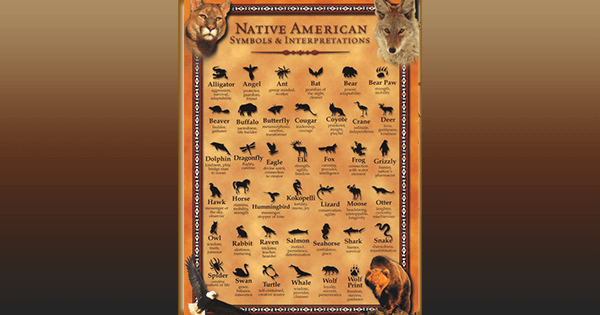
At their core, native american animal symbols represent living expressions of spiritual truth. Animals are seen as equals in the web of life, each carrying medicine—spiritual energy meant to heal, teach, or protect. When an animal appears repeatedly in stories or experiences, it is often understood as a sign to pay attention.
Many traditions believe animals embody qualities humans are meant to remember. The eagle reflects higher vision and connection to the Creator, while the bear teaches strength balanced with introspection. These meanings are not fixed rules but living teachings that change with context and personal experience.
What makes this symbolism powerful is its grounding in observation. Generations watched how animals survived, cared for their young, and adapted to change. Those behaviors became spiritual metaphors for human life, offering lessons rooted in respect rather than domination.
Animal Symbolism Across Indigenous Traditions
While themes overlap, animal meanings vary among tribes such as the Lakota, Navajo, and Cherokee. Geography, environment, and lifestyle shaped which animals held the most significance. Plains tribes honored the buffalo as a symbol of abundance and gratitude, while desert cultures emphasized animals that represented endurance and balance.
Stories and oral histories preserved these meanings. Animals often appeared as helpers or tricksters, guiding humans through moral lessons rather than abstract rules. Importantly, animals were respected, not worshipped—they were messengers pointing toward spiritual understanding.
This diversity reminds us that symbolism is relational. An animal’s meaning depends on how people live with it, observe it, and honor its role in the ecosystem.
What These Animal Symbols Reveal About You
If certain animal symbols resonate strongly with you, they may reflect qualities you carry or are developing. People drawn to the wolf often value community and intuition, while those aligned with the turtle may embody patience and emotional depth.
These symbols can also highlight areas for growth. A restless spirit might be guided by the deer’s gentleness, while someone facing fear may be reminded of the mountain lion’s quiet confidence. Rather than defining identity, animal symbolism invites reflection and self-honesty.
Listening to these messages encourages balance—strength without aggression, wisdom without ego, and independence without isolation.
Dreams and Totems in Animal Symbolism
Dreams involving animals are especially meaningful in Indigenous spiritual thought. Seeing an animal repeatedly in dreams or waking life may suggest it is acting as a totem—a spiritual ally offering protection or instruction.
A soaring bird in dreams can point to rising above limitations, while a burrowing animal may suggest the need for grounding or inner work. The message is shaped by emotion and context, not just the animal itself.
Totem animals are not chosen lightly. They often appear during transitions, challenges, or moments of awakening, gently guiding a person toward alignment.
Bringing Animal Wisdom into Everyday Life
Connecting with animal symbolism does not require ceremony—it begins with awareness. Spend time in nature and observe animals without judgment. Notice what traits stand out and how they mirror your own experiences.
Journaling about recurring animals in dreams or daily life can reveal patterns over time. Creative expression—drawing, storytelling, or music—also helps integrate these lessons emotionally.
Mindfulness practices rooted in gratitude for nature strengthen this connection. By honoring animals as teachers, their wisdom becomes part of daily decision-making and inner balance.
Why These Symbols Still Matter Today
In a fast-paced, disconnected world, animal symbolism offers grounding and perspective. These teachings remind us to slow down, respect natural rhythms, and trust intuitive knowledge alongside logic.
Modern life often values productivity over presence. Animal wisdom challenges that imbalance, encouraging rest, awareness, and meaningful connection. The relevance of these teachings lies in their simplicity and emotional truth.
Native american animal symbols continue to inspire because they speak to universal human needs—for belonging, purpose, and harmony with the world around us.
Read: Symbols for Animal Farm
Read: Animal Symbolizes Strength
Read: Rabbit Symbolism – Messages
Read: Animals That Symbolize Protection
Read: Animal Symbolism Squirrel
FAQs
Are animal symbols the same for all tribes?
No. Meanings vary widely depending on tribe, environment, and cultural stories. While some themes overlap, each tradition has its own interpretations.
Can more than one animal guide a person?
Yes. Different animals may appear at different life stages, each offering guidance suited to that particular phase or challenge.
Do animals appearing in daily life always have spiritual meaning?
Not always. Meaning becomes more likely when an animal appears repeatedly or during emotionally significant moments.
Is animal symbolism a belief system or a teaching tool?
It functions primarily as a teaching tool—helping people understand life lessons through nature-based metaphors.
Can children connect with animal symbolism too?
Absolutely. Children often relate naturally to animal stories, making these symbols accessible and emotionally grounding from an early age.
Conclusion
The wisdom found in native american animal symbols invites a gentler, more attentive way of living. These teachings remind us that guidance can come from observing the natural world with respect and humility. Animals reflect strengths we admire and lessons we still need to learn. By listening to their messages, we reconnect with intuition, balance, and a deeper sense of belonging. In honoring these symbols, we honor both the earth and our own inner nature.