
Complete Solar Inverter User Guide for Beginners
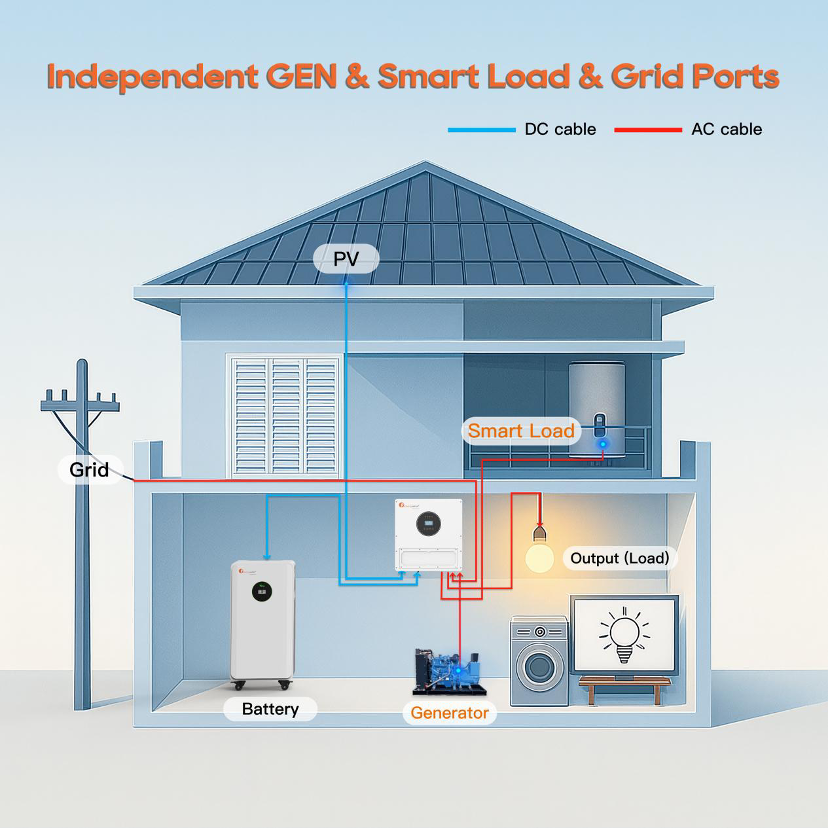
A solar inverter manufacturer is a crucial component of any solar power system. Proper use and maintenance of your solar inverter can significantly improve the efficiency and lifespan of your entire solar setup. This guide will provide a comprehensive overview of how to effectively use your solar inverter for maximum performance and longevity.
Understanding the Basics of Your Solar Inverter
Before diving into how to use your solar inverter, it’s important to understand its core functions and components. The main purpose of a solar inverter is to:
l Convert DC to AC: Solar panels generate DC electricity, but most appliances and the electrical grid require AC. The inverter performs the conversion, allowing your solar system to power your home or feed energy into the grid.
l Optimize Energy Production: Modern inverters often come with features that allow you to monitor your system’s performance and adjust settings for optimal energy production.
l Safety Features: Inverters are equipped with built-in safety mechanisms to protect against overloads, faults, and other potential hazards.
Setting Up Your Solar Inverter
Proper installation is key to the efficient functioning of your solar inverter. Though the installation process should be handled by a qualified technician, here are the steps typically involved in setting up your inverter:
l Location: Ensure your inverter is installed in a cool, dry, and well-ventilated location. Inverters can overheat if placed in direct sunlight or damp environments, which could lead to system failure.
l Connection: The inverter should be connected to both the solar panel array (DC input) and your electrical system (AC output). Make sure the connections are secure and the wiring is appropriately sized for your system’s power capacity.
l Setting Configurations: If you’re installing a hybrid inverter (such as one that integrates battery storage), ensure that the battery charging settings are correctly configured. For grid-tied inverters, check the grid-connection settings to make sure the inverter is compatible with local electricity regulations.
Leading solar inverter manufacturers provide clear installation guides and may offer installation services to ensure proper setup.
Operating Your Solar Inverter
Once the installation is complete, understanding how to operate your solar inverter is essential for optimal performance:
l Turn On the Inverter: Most modern solar inverters have a simple power button or switch. Press it to turn on the system. You may notice an indicator light or screen display that shows the inverter’s operational status.
l Monitor the Performance: Many inverters have built-in monitoring systems that allow you to track energy production, voltage levels, and other important data. These systems may offer applications or web portals for real-time tracking.
l Adjust Settings When Necessary: Depending on your energy needs, you may need to adjust the settings on your inverter. For example, if you have a battery storage system, the inverter might allow you to prioritize solar energy storage over direct use or grid export.
l Battery Integration: If your solar inverter is integrated with a battery, it will automatically store excess energy during the day for use at night or during peak demand hours. Ensure that the inverter is set to charge the battery efficiently and at optimal times.
Some solar inverter manufacturers offer inverters with user-friendly interfaces and mobile applications, making it easier for users to monitor and adjust them.
Troubleshooting Common Inverter Issues
Even with proper maintenance, you may run into some common inverter issues. Here are some things to check if your solar inverter isn’t working properly:
l No Power Output: If your inverter is not producing any power, check to see if it is turned on. Make sure the solar panels are receiving adequate sunlight. If everything looks correct, it could be a wiring issue or an internal fault.
l Error Messages or Alerts: Inverters may display error codes or warning lights when there is a malfunction. These codes often point to specific issues, such as overheating, system faults, or grid connectivity problems. Refer to the inverter’s manual or the manufacturer’s support page to interpret these codes.
l Inverter Overheating: If your inverter is overheating, it may be in a location that is too hot or poorly ventilated. Check to make sure it’s in a proper location and free of obstructions. Overheating can also be caused by excess dust or dirt buildup.
l Underperformance: If the inverter is running but producing less energy than expected, there may be an issue with the solar panels, wiring, or the inverter settings. Check your inverter’s monitoring system for insights on energy production and system health.
In case of recurring issues, consulting the technical support of solar inverter manufacturers is recommended. They can offer troubleshooting guidance and, if necessary, service or repair.
Conclusion
The solar inverter is essential to the functioning of any solar energy system. Proper installation, operation, and maintenance can ensure that your system runs efficiently and provides long-term benefits.
By monitoring your system regularly, keeping the inverter clean, and staying on top of any error codes or performance issues, you can ensure the longevity and optimal performance of your solar inverter. With the right care, your solar inverter will continue to power your home or business sustainably for years to come.