
All 50 U.S. States and Their Official Symbols: A Complete Guide
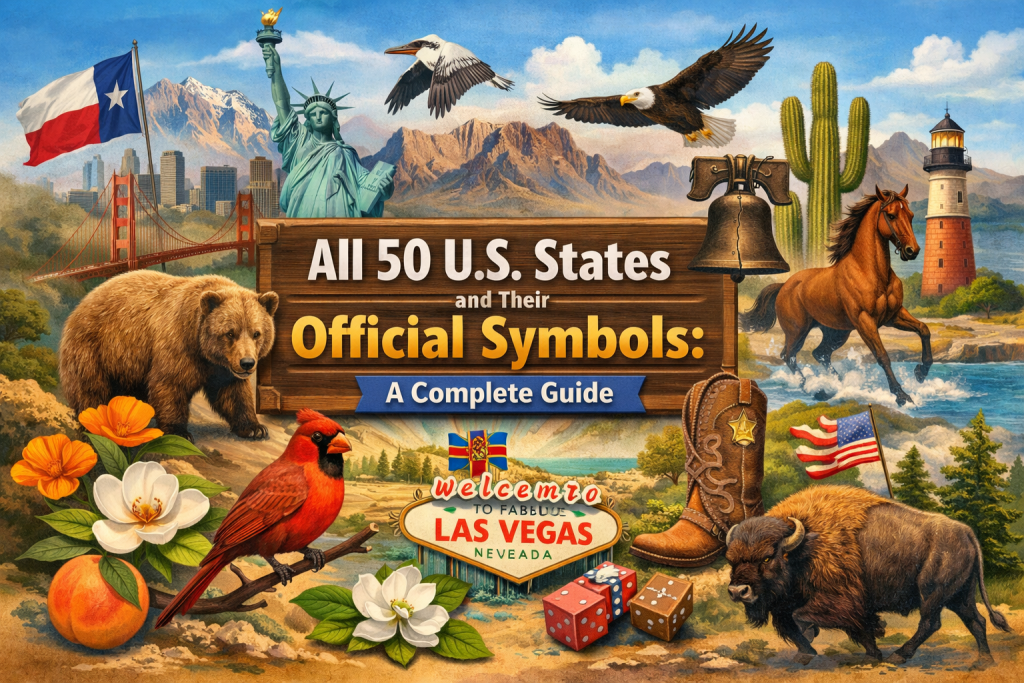
Understanding the identity of a place often begins with its symbols. Across the United States, each state proudly represents itself through a unique collection of official emblems that reflect its history, culture, and natural heritage. From vibrant state flags to meaningful state mottos, these elements tell stories that go far beyond simple visuals.
In this guide to all 50 U.S. states and their symbols, you will discover how these identifiers connect people to their roots and showcase the diversity that defines the nation. Whether you are a student, traveler, or simply curious, exploring these symbols offers a fascinating look into American identity.
What Are U.S. State Symbols?
U.S. state symbols are officially designated items that represent the characteristics and values of each state. These can include natural elements like state flowers and state birds, as well as cultural identifiers such as state nicknames and mottos.
Each state selects its symbols through legislative action, making them part of its official identity. These symbols are not random; they are chosen because they reflect something meaningful about the state’s environment, history, or people.
Common categories of official state symbols include:
- State flags
- State mottos
- State nicknames
- State flowers
- State birds
- State trees
- State emblems
Together, these elements create a rich tapestry of identity that makes every state unique.
Why State Symbols Matter
At first glance, state symbols may seem decorative, but they serve a deeper purpose. They act as cultural anchors, connecting residents to their shared heritage and helping outsiders understand what makes each state special.
For example, a state flower often represents the natural beauty of the region, while a state motto reflects its guiding values. These symbols also play a role in education, tourism, and civic pride.
They help answer questions like:
- What defines this state’s identity?
- What natural features make it unique?
- What values do its people hold?
By exploring us state facts through these symbols, you gain insight into both the past and present of each region.
Key Categories of Official State Symbols
To better understand the variety found across the country, let’s break down the most common types of symbols you will encounter.
State Flags
State flags are among the most recognizable symbols. Each flag features colors, patterns, and imagery that represent historical events or geographic features.
Some states highlight their founding history, while others focus on natural landscapes or cultural heritage. Flags are often displayed at government buildings, schools, and public events.
State Mottos
State mottos are short phrases that capture the spirit of a state. They may be written in English, Latin, or even other languages, depending on historical influences.
For example, mottos often emphasize values like liberty, perseverance, or unity. These phrases provide a quick glimpse into what the state stands for.
State Nicknames
State nicknames are widely used in everyday language and often reflect geography, industry, or cultural identity.
Examples include:
- The Sunshine State
- The Lone Star State
- The Empire State
These nicknames make states more relatable and memorable, especially for visitors.
State Flowers, Birds, and Trees
Nature plays a major role in shaping state identity. That is why many official state symbols come from the natural world.
- State flowers highlight regional flora
- State birds represent wildlife commonly found in the area
- State trees showcase important or iconic species
These symbols often reflect the climate and ecosystem of each state.
State Emblems and Other Symbols
Beyond the common categories, states may also adopt unique emblems such as:
- State animals
- State gemstones
- State songs
- State insects
These additional symbols add depth and individuality, making each state’s profile even more distinctive.
A Snapshot of All 50 States and Their Symbols
While each state has a long list of official symbols, here is a simplified overview to give you a sense of variety across the nation.
Examples from Different Regions
California
Known for its golden poppy as the state flower and the California grizzly bear as a historic emblem. Its nickname, The Golden State, reflects both its history and natural beauty.
Texas
Famous for its lone star symbol, which appears on its flag. The state bird is the mockingbird, and its motto emphasizes friendship.
New York
The Empire State features the rose as its state flower and a flag rich in historical imagery. Its nickname reflects its economic and cultural influence.
Florida
The orange blossom represents the state flower, highlighting its agricultural importance. Its nickname, The Sunshine State, connects to its warm climate.
Alaska
The forget-me-not is the state flower, and the state bird is the willow ptarmigan. These symbols reflect its rugged and unique environment.
What Makes Each State Unique
Even though many states share similar categories of symbols, the choices themselves are distinct. No two states have identical combinations, which helps maintain individuality across the country.
For example:
- Some states choose animals that are rare or endangered
- Others highlight plants that grow only in their region
- Many reflect historical events through their flags and mottos
This diversity is what makes exploring all 50 U.S. states and their symbols so engaging.
How State Symbols Reflect Culture and History
State symbols are not chosen randomly. They often represent significant historical events, economic activities, or cultural traditions.
For instance, agricultural states frequently select crops or flowers tied to their economy. Coastal states may choose marine life as part of their identity. Meanwhile, historical events such as independence or settlement often influence state flags and mottos.
These symbols also evolve over time. Some states update their flags or adopt new emblems to better reflect modern values while still honoring tradition.
This dynamic nature keeps state symbols relevant and meaningful for future generations.
Interesting Patterns Across U.S. State Symbols
When you look closely at us state symbols, you begin to notice patterns that reveal broader trends.
Shared Symbols
Some symbols appear in multiple states, especially common birds and flowers. For example, the cardinal is a popular state bird across several states.
Regional Themes
States within the same region often share similarities:
- Southern states frequently highlight agricultural symbols
- Western states emphasize natural landscapes and wildlife
- Northeastern states often focus on historical elements
Unique Choices
Despite similarities, some states stand out with unusual selections. These unique symbols often become points of pride and curiosity.
Educational Value of State Symbols
Learning about official state symbols is not just interesting; it is also educational. These symbols are commonly taught in schools to help students understand geography, history, and culture.
They provide a simple way to remember key details about each state. For example:
- A student may associate a state with its flower
- A traveler might recall a destination through its nickname
- A history enthusiast may connect events to a state’s flag
This makes state symbols a powerful learning tool.
How to Explore State Symbols Effectively
If you want to dive deeper into state emblems and related facts, here are a few practical tips:
- Start with one region and explore its states in detail
- Compare similar symbols across different states
- Look into the history behind each symbol
- Use maps and visuals to enhance understanding
This approach helps you build a more complete picture without feeling overwhelmed.
The Everlasting Appeal of State Identity
What makes state symbols truly special is their ability to connect people. They are more than just official designations; they represent pride, heritage, and belonging.
Whether it is a state tree standing tall in a forest or a flag waving at a public event, these symbols remind people of where they come from and what their state represents.
Exploring them offers a deeper appreciation for the diversity and unity that define the United States.