
Enhancing Road Awareness: The Growing Role of Solar-Powered Warning Signals
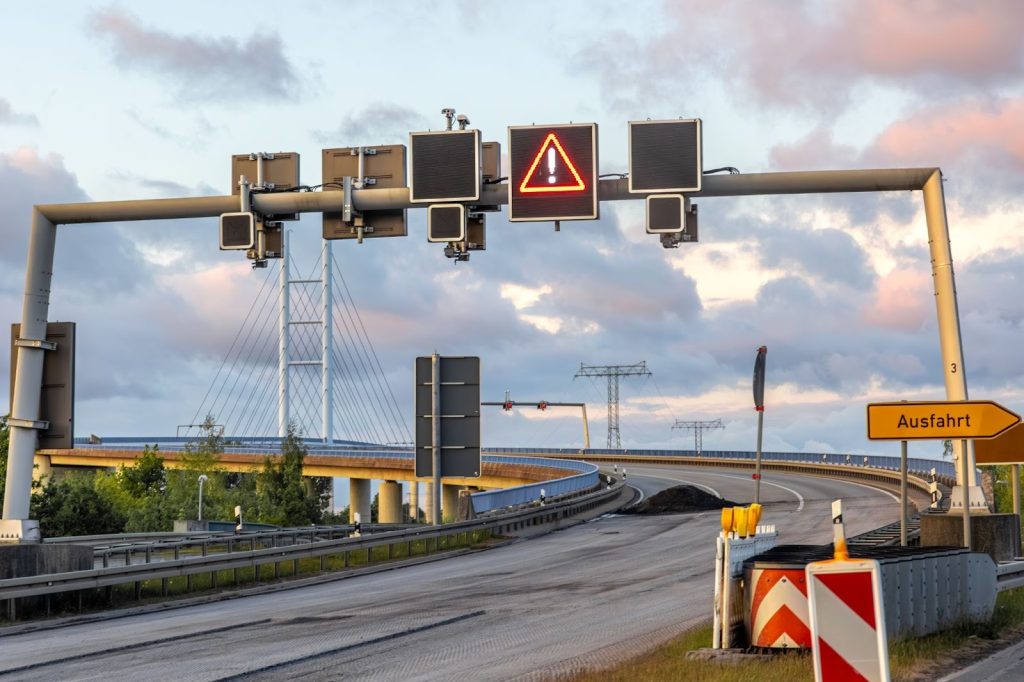
Road safety infrastructure, from warning signals to flashers and advisory lights, has traditionally relied on grid-connected electricity for power. That is an excellent method in cities where everything is already pretty well established, but it does leave some holes in areas where electricity is hard to come by or doesn’t really exist. With highway systems penetrating into the countryside and distant work sites, the demand for self-contained warning systems is at an all-time high. Solar-powered warning technology fills this void , providing reliable, high-visibility warnings without the infrastructure limitations that have traditionally constrained deployment options.
Limitations of Traditional Warning Signals
Traditional electrically operated warning devices have operational constraints that render them less effective in a number of actual deployed condition scenarios.
The power grid is the main limitation. Installing traditional warning flashers in isolated areas is made difficult by the necessity of having access to some type of power source or the expense of running power out to the location. In the countryside, “dangerous” stretches of highways or temporary construction zones, both solutions are either naive or cost-prohibitive.
Energy usage adds a never-ending cost of operation. Continuously flashing warning signals, especially those employing older incandescent lamp technology, are subjected to sustained power loads, which significantly contribute to the energy consumption of a municipal-wide signal system.
Isolation from maintenance complicates matters even further. Systems that rely on the grid are vulnerable to being knocked out by storms, infrastructure failure, or disruptions in supply — the very conditions in which warning signals are most desperately needed. When a signal goes dark in bad weather, it has failed at the moment when it is needed the most.
Benefits of Solar-Based Warning Systems
Solar-based warning systems do away with the grid dependency that limits traditional systems, replacing it with an energy model that is both independent and resilient on the operations side of things.
Photovoltaic panels with rechargeable batteries enable the warning systems to work continuously without depending on the availability of the grid. Good systems are designed with enough of a battery to last through a few days of bad weather, so you can count on them to survive a solar lull.
A solar-powered flashing yellow light that is correctly specified uses high-efficiency LED flash elements and intelligent charge management that minimizes power consumption without affecting visibility output. The result is an alarm that can be deployed for long-term use in nearly all outdoor conditions – with no external power source needed.
Installation mobility is a major operational benefit. Devices may be placed exactly where hazardous conditions lie — not where power happens to be available — permitting truly focused deployment in response to safety needs, rather than infrastructure limitations.
Applications in Modern Traffic and Safety Management
The application of solar warning technology covers a wide range of conditions and environments where conventional systems have traditionally failed to deliver.
One of the most demanding applications is that of a construction zone. Roadwork, lane shifts, and equipment crossings all call for alerting in advance of those that can be set up, then moved as site conditions dictate. When you consider there’s no need to run electrical conduit, this makes solar warning systems perfectly adapted to places where configurations change frequently.
Rural road intersections and unmarked points of hazard, such as blind curves, obscured intersections, and wildlife crossing corridors, are enduring safety concerns that permanent electrical infrastructure seldom proves cost-effective to cover. A solar-powered flashing yellow light mounted at these sites offers a continuous hazard warning for a tiny fraction of the cost of the grid-connected models.
Flood-prone and storm-affected road segments receive similar gains. Areas subject to chronic weather-related visibility violations are in need of warning systems that can stay on the air when the rest of the grid is knocked out – a scenario where solar-battery power systems are tailored to excel.
Conclusion
Solar warning signals are a practical advancement in road safety infrastructure — bringing dependable hazard communication to areas where traditional systems have consistently failed to do so. They fill operational gaps by removing the need for grid power, having minimal maintenance requirements , and allowing for flexible deployment in multiple high-risk road areas that currently lack adequate warning coverage. As transportation systems grow outside established infrastructure corridors, solar-based warning systems will be needed more and more to help keep those paths safe.
Ai Report