
Why Dewormers Can Cause Diarrhea in Dogs and What to Do
Deworming medications are a common part of preventive health care for dogs, but many pet owners notice changes in stool after treatment — especially diarrhea. Understanding why dewormers sometimes cause this reaction, how long it should last, and when to seek veterinary help can make the process less stressful for both you and your dog. For an in‑depth look at the timeline and symptoms associated with deworming and diarrhea, check out dog dewormer diarrhea.
The Purpose of Deworming Medications
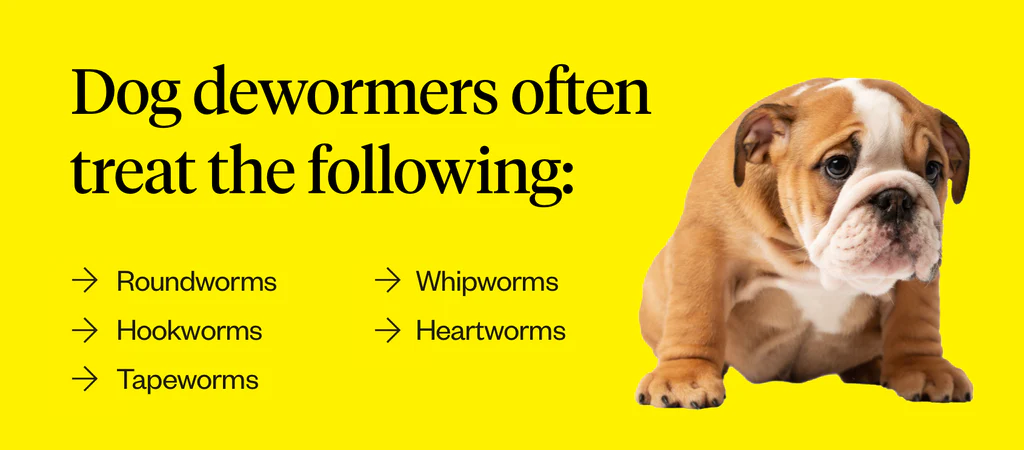
Dewormers are designed to eliminate internal parasites such as roundworms, hookworms, whipworms, and tapeworms. These parasites latch onto the intestinal lining and feed on nutrients from the dog’s food, which can lead to weight loss, anemia, and gastrointestinal upset if left untreated. Deworming treatments work by either paralyzing the worms so they pass naturally in the stool or killing them so the body can expel them. While these medications are usually safe, the rapid departure of parasites from the gut can sometimes disrupt normal digestion.
Why Diarrhea Happens After Deworming
Diarrhea following dewormer administration is a relatively common side effect. There are several reasons this can occur:
- Intestinal upset: As parasites die and exit the body, they can irritate the gut lining. This disturbance may accelerate bowel movements.
- Inflammation response: The immune system can react to dying worms, releasing compounds that increase intestinal motility, resulting in loose stools.
- Diet changes: Some owners alter their dog’s diet around deworming, which can also affect digestion.
In most cases, mild diarrhea is temporary and resolves within a day or two as the digestive system adjusts.
What to Expect in the First 24–48 Hours
After dewormer treatment, watching your dog for changes in appetite, energy, and stool quality is important. Mild, loose stools with occasional mucus may be normal and begin to improve within one to two days. Some dogs may also pass worms in their stool, which looks like small white segments or spaghetti‑like strands. While this can be unpleasant to see, it usually indicates that the medication is working.
For general guidance on managing digestive disturbances and supporting your dog’s recovery, visit PetsCare.
When Diarrhea Becomes Concerning
Although mild diarrhea shortly after deworming is often harmless, there are times when it warrants veterinary evaluation:
- Persistent diarrhea beyond 48 hours
- Diarrhea with blood or black, tarry stools
- Accompanying vomiting, lethargy, or fever
- Signs of dehydration (dry gums, sunken eyes, reduced urine output)
These symptoms could indicate a more serious reaction, a secondary infection, or an unrelated gastrointestinal condition that needs treatment. Your veterinarian may recommend stool analysis, blood work, or imaging to rule out other causes.
Hydration and Dietary Support
Keeping your dog hydrated is crucial while they are experiencing diarrhea. Offer fresh water frequently, and consider small amounts of an electrolyte solution if approved by your vet. Bland diets — such as boiled chicken and rice or easily digestible commercial formulas — can soothe the digestive tract. Introduce regular food gradually as stools firm up.
Probiotics and Digestive Health
Probiotics can help restore beneficial gut bacteria after deworming, which may reduce the severity and duration of diarrhea. Probiotics come in supplements or food products formulated for dogs. Always consult your vet before starting any new supplement to ensure it’s appropriate for your dog’s age, size, and health status.
Preventing Worms and Future Upset
Routine deworming and fecal testing help detect parasite infections before they become severe. Your veterinarian can recommend an appropriate schedule based on your dog’s lifestyle and risk factors. Preventive measures such as regular fecal exams, parasite control products, and minimizing exposure to contaminated environments can reduce the likelihood of heavy infestations that trigger strong digestive reactions.
Special Considerations for Puppies and Older Dogs
Puppies are particularly susceptible to intestinal parasites because they can acquire worms from their mother or environment at a young age. They may also be more sensitive to deworming treatments, making digestive upset more noticeable. Older dogs or those with compromised immune systems may also experience more pronounced symptoms. Close communication with your veterinarian ensures the safest approach for these vulnerable groups.
Monitoring and Follow‑Up Care
After treatment, keep a daily log of your dog’s behavior, appetite, and bowel movements. This helps you notice trends or worsening symptoms quickly. Follow‑up fecal tests may be recommended to confirm that the parasites have been cleared. In cases where dogs experience recurrent infections, additional diagnostic testing may be needed to identify underlying factors such as immune dysfunction or environmental exposure.
Understanding When to Seek Veterinary Help
Not all cases of diarrhea require immediate emergency care, but knowing when to act is important. Contact your veterinarian right away if:
- Your dog becomes weak or collapses
- Diarrhea is accompanied by frequent vomiting
- Your dog refuses water or becomes disoriented
Prompt veterinary attention can prevent dehydration and complications that can arise from untreated gastrointestinal upset.
Helping Your Dog Feel Better
Most dogs recover fully from mild diarrhea after deworming with supportive care and time. Patience, regular monitoring, and proper nutrition help restore normal digestion. Being prepared for possible side effects and knowing when to get professional help ensures your dog stays healthy and comfortable after parasite treatment.
