
Evolution of Shilajit Understanding Over Time
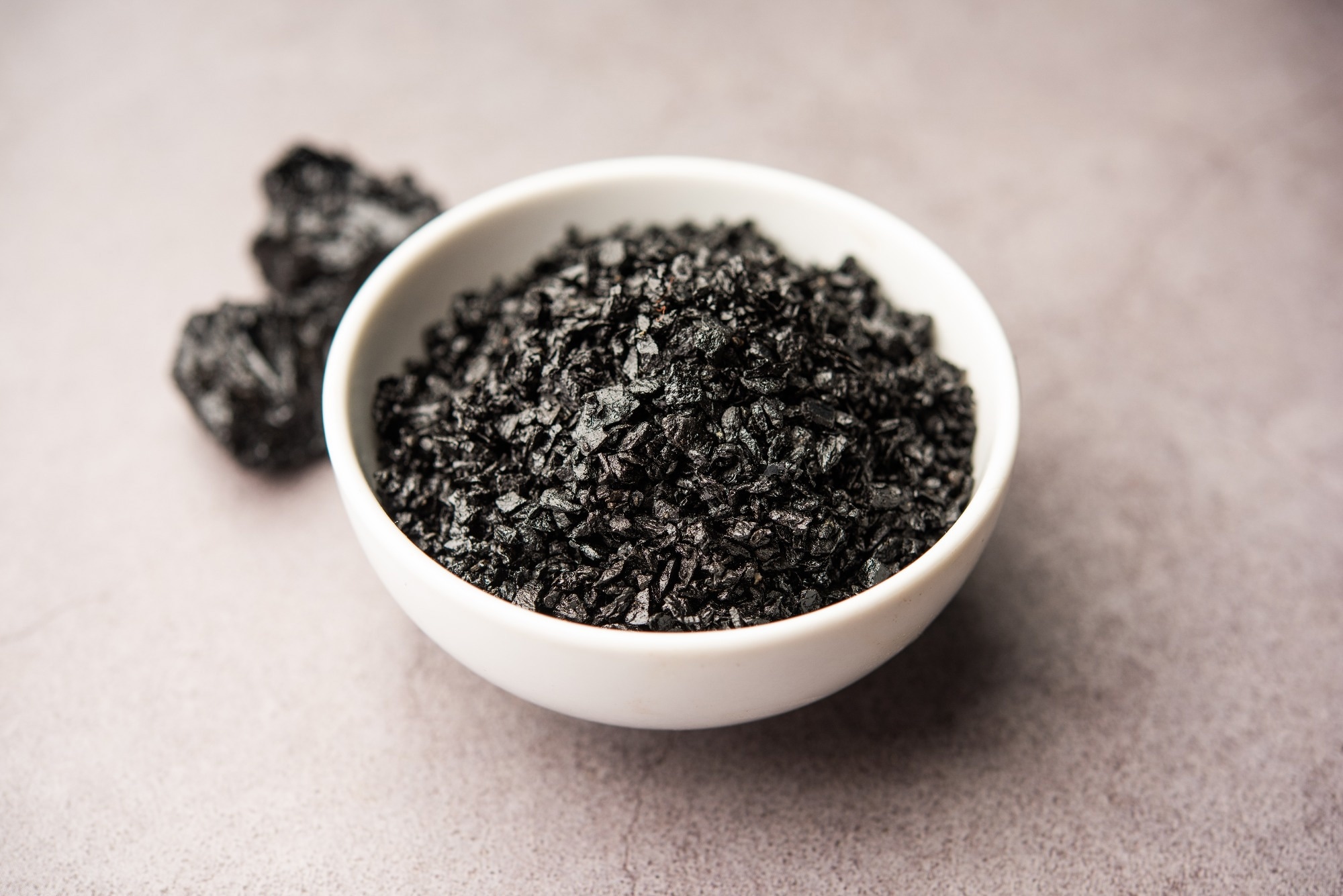
Shilajit, a mineral-rich resin sourced primarily from the high-altitude regions of the Himalayas, has fascinated humans for centuries due to its purported health benefits and mysterious origins. Historically regarded as a potent elixir in traditional medicine, Shilajit has transitioned through a fascinating journey of understanding—from folklore and early medicinal texts to modern scientific analysis. Communities across Asia, particularly in India, Tibet, and Central Asia, have documented its uses, preparation methods, and spiritual significance, giving it an enduring place in cultural and medicinal practices. Today, modern wellness products such as Himalayan shilajit continue to reflect this accumulated knowledge, blending centuries of traditional insight with contemporary quality standards. This article explores how the understanding of Shilajit has evolved over time, highlighting shifts in perception, application, and scientific interpretation.
Early Perceptions and Folklore
The earliest knowledge of Shilajit emerged from folklore and oral traditions in Himalayan communities. Villagers observed the natural exudation of resin from rock crevices during warmer months and attributed mystical or supernatural properties to it. Legends often depicted Shilajit as a “mountain blood” or a gift from nature, capable of enhancing strength, vitality, and longevity. These early perceptions, though not scientifically grounded, reflected an empirical awareness of its beneficial effects, forming the foundation for subsequent cultural and medicinal practices.
Documentation in Ancient Medical Texts
The transition from folklore to written knowledge occurred with the documentation of Shilajit in classical medical texts. In Ayurveda, Shilajit is described in works such as the Charaka Samhita and Sushruta Samhita as a Rasayana—a rejuvenating and restorative substance. These texts detail its preparation, dosage, and therapeutic applications, including enhancing immunity, improving stamina, and supporting cognitive function. Similarly, Tibetan and Unani medical systems incorporated Shilajit into their pharmacopoeias, describing its restorative effects and integrating it into complex herbal formulations. These early texts established Shilajit’s role as a recognized natural medicine with practical and ritual significance.
Medieval Observations and Trade Documentation
During medieval periods, travelers, merchants, and scholars documented Shilajit as part of regional trade networks. Its collection from Himalayan rocks and transportation to plains and urban centers were recorded alongside descriptions of its health benefits. These trade records indicate that Shilajit was valued not only as a medicinal substance but also as a commercial commodity, highlighting its economic and cultural significance. The integration of Shilajit into long-distance trade facilitated the spread of knowledge about its uses across regions, contributing to a broader understanding of its properties.
Scientific Curiosity in the Early Modern Era
With the onset of early modern scientific inquiry, European explorers and colonial administrators began investigating natural substances from Asia. Shilajit caught the attention of botanists and physicians who documented its physical characteristics and traditional applications. Early chemical analyses focused on identifying minerals and organic components, though methods were limited by contemporary technology. This period marked the first attempts to reconcile traditional knowledge with scientific observation, bridging empirical experience with analytical investigation.
Chemical Analysis and Identification of Bioactive Compounds
In the 20th century, advances in chemistry and pharmacology enabled more precise identification of Shilajit’s components. Researchers confirmed the presence of fulvic acid, humic substances, and trace minerals—elements linked to antioxidant activity, energy production, and nutrient absorption. These findings provided scientific validation for centuries of traditional use, explaining why Shilajit was regarded as a rejuvenative substance. Understanding the bioactive compounds transformed Shilajit from a mystical resin into a scientifically studied natural product.
Modern Ethnobotanical and Pharmacological Studies
Contemporary ethnobotanical research has emphasized Shilajit’s cultural context alongside its biochemical properties. Studies document traditional harvesting practices, preparation methods, and regional variations, highlighting the interplay between culture and science. Pharmacological studies further explore its adaptogenic, anti-inflammatory, and cognitive-supportive effects, correlating historical claims with measurable biological outcomes. This modern research underscores the evolution from anecdotal knowledge to systematic scientific inquiry, reinforcing the validity of traditional wisdom.
Integration into Global Wellness Practices
The contemporary understanding of Shilajit has extended beyond regional medicinal systems into global wellness practices. Supplements, powders, and tinctures are widely marketed for energy, vitality, and mineral supplementation. Modern quality standards prioritize purity, safety, and bioavailability, reflecting centuries of accumulated knowledge about preparation and efficacy. Products like https://www.newphaseblends.com/product/pure-himalayan-shilajit/ exemplify this integration, offering consumers access to Shilajit in forms that preserve both its traditional and bioactive properties.
Shifts in Perception: From Mysticism to Science
Over time, the perception of Shilajit has shifted from mystical and symbolic interpretations to scientifically validated understanding. While folklore emphasized spiritual vitality and symbolic strength, modern research elucidates the biochemical mechanisms behind its effects. This evolution illustrates how natural substances can maintain cultural significance while simultaneously being subjected to rigorous scientific analysis, bridging traditional practices with contemporary knowledge.
Challenges in Standardization and Authenticity
As understanding of Shilajit has expanded, challenges regarding standardization and authenticity have emerged. Historically, variations in source, preparation, and storage led to inconsistent effects. Modern quality control seeks to ensure that commercially available Shilajit retains its bioactive compounds and is free from contaminants. Recognizing these challenges highlights the importance of both scientific rigor and cultural respect in preserving the substance’s integrity.
Cultural Continuity and Knowledge Transmission
Despite scientific advancements, the cultural context of Shilajit remains significant. Traditional knowledge continues to inform harvesting techniques, preparation, and usage patterns, ensuring continuity across generations. Communities still pass down oral traditions and practical guidance, integrating modern scientific insights with cultural wisdom. This dual approach maintains the relevance of Shilajit in both traditional and contemporary contexts.
Implications for Health and Wellness
Understanding the evolution of Shilajit knowledge has practical implications for health and wellness. Recognizing its bioactive compounds, cultural significance, and traditional applications allows for more informed use in dietary and therapeutic contexts. It also supports sustainable and ethical sourcing practices, ensuring that both the natural resource and cultural heritage are preserved.
Global Recognition and Cross-Cultural Exchange
The historical and scientific understanding of Shilajit has facilitated its global recognition. Cross-cultural exchange has introduced Shilajit to new markets and wellness communities, where it is appreciated not only for its mineral and biochemical properties but also for its historical and cultural narrative. This broader appreciation underscores the resilience and adaptability of natural substances across diverse cultural and scientific landscapes.
Future Directions in Research and Understanding
The evolution of Shilajit understanding continues as researchers explore its molecular mechanisms, therapeutic potential, and cultural significance. Emerging studies investigate its role in cognitive health, metabolic function, and stress adaptation. Additionally, ongoing ethnobotanical research preserves traditional knowledge, ensuring that future generations benefit from both scientific insights and centuries of cultural wisdom.
Conclusion: The Enduring Journey of Shilajit Knowledge
The understanding of Shilajit has evolved remarkably over time, from early folklore and oral traditions to comprehensive scientific analysis. Initially revered for its mystical and rejuvenative qualities, Shilajit has become a well-studied natural substance with validated bioactive components and widespread therapeutic applications. Its historical significance, cultural integration, and continued use in traditional medicine underscore the depth of human observation.
