
Japanese Animal Symbolism – Spiritual Meanings and Cultural Wisdom

Japanese culture has long viewed animals as more than physical beings. They are seen as messengers, protectors, and symbols carrying deep spiritual meaning. From ancient folklore to modern art, animals have played a powerful role in shaping beliefs about luck, morality, balance, and human character. This is where japanese animal symbolism becomes especially fascinating—it blends nature, spirituality, and daily life into a unified worldview.
Each animal represents specific energies: courage, patience, transformation, or protection. These meanings weren’t created randomly; they evolved through Shinto beliefs, Buddhist teachings, folklore, and centuries of lived experience with nature. Even today, these symbolic animals appear in temples, festivals, tattoos, and everyday expressions.
In this guide, you’ll learn how animals are understood symbolically in Japan, how different traditions interpret them, and what their messages can mean on a personal level. Whether you’re spiritually curious or culturally interested, this journey into symbolism offers gentle insight and timeless wisdom.
The Spiritual Meaning Behind Japanese Animal Symbolism
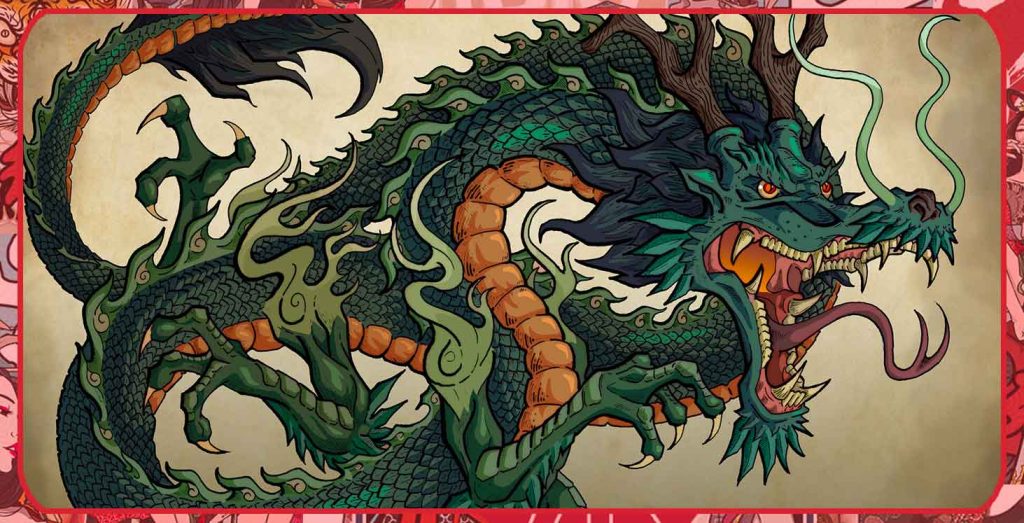
At its core, japanese animal symbolism reflects harmony between humans and the natural world. Animals are believed to carry spiritual energy that mirrors human emotions, strengths, and struggles. Rather than dominating nature, traditional Japanese belief emphasizes learning from it.
Animals often symbolize balance—between strength and gentleness, action and stillness. A single creature may represent protection in one story and transformation in another, showing that meaning is fluid rather than fixed. This layered symbolism encourages reflection rather than rigid interpretation.
Many animals are also seen as spiritual guides. Their behaviors offer quiet lessons: patience through stillness, resilience through endurance, or awareness through alertness. These meanings invite people to observe nature closely and apply its wisdom inwardly.
How Different Traditions View Animals in Japan
Japanese symbolism is shaped mainly by Shinto and Buddhism. In Shinto belief, animals can serve as messengers of the kami (spirits or deities). Certain animals are associated with specific shrines and are treated with deep reverence.
Buddhist influence added moral and philosophical layers. Animals came to symbolize inner states such as desire, discipline, compassion, or enlightenment. Folklore later blended these ideas into stories that taught ethical lessons across generations.
Regional myths also shaped symbolism. An animal considered lucky in one area might represent warning or caution in another. This diversity shows how symbolism adapts to environment, history, and community values.
What These Animal Symbols Say About You
People drawn to japanese animal symbolism are often introspective, observant, and emotionally aware. These symbols resonate with individuals who value subtle strength over loud power and wisdom over control.
Such people tend to respect timing, cycles, and balance. They may prefer growth through reflection rather than force. Symbolic animals also appeal to those navigating change, as many creatures represent transformation and renewal.
On a deeper level, connecting with animal symbolism suggests a desire to understand oneself through nature’s patterns. It reflects a mindset that sees meaning in quiet moments and lessons in everyday experiences.
Dreams, Totems, and Symbolic Appearances
When animals appear in dreams or repeatedly show up in your life, Japanese symbolism views this as meaningful rather than random. These appearances may signal guidance, protection, or a need for awareness.
Dream animals often reflect internal emotions. A calm animal may suggest balance, while a restless one can point to unresolved tension. Totem animals, on the other hand, represent long-term guidance—traits you’re meant to develop or remember.
Paying attention to how the animal behaves is just as important as which animal it is. Its actions often reveal the message more clearly than its form.
Ways to Connect with Animal Symbolism in Daily Life
Connecting with japanese animal symbolism doesn’t require rituals—only awareness and intention. Here are gentle ways to apply its wisdom:
- Reflect on animals you feel drawn to and what qualities they represent
- Journal about recurring animal dreams or symbols you notice
- Observe animals in nature and reflect on their behavior
- Use art, writing, or meditation to explore symbolic meanings
- Practice mindfulness inspired by animal traits like patience or alertness
These practices help translate symbolic meaning into personal insight.
Why Animal Symbolism Still Matters Today
In modern life, animal symbolism offers grounding. It reminds us to slow down, observe, and reconnect with natural rhythms. While technology moves fast, symbolic wisdom moves gently—and that balance is deeply needed.
Japanese animal symbolism continues to inspire because it doesn’t demand belief, only reflection. It encourages emotional awareness, respect for nature, and mindful living. These lessons remain relevant in times of stress, transition, or self-discovery.
Rather than escaping reality, symbolism helps us understand it more deeply.
Read: Symbols for Animal Farm
Read: Animal Symbolizes Strength
Read: Rabbit Symbolism – Messages
Read: Animals That Symbolize Protection
Read: Animal Symbolism Squirrel
FAQs
Why are animals so important in Japanese culture?
Animals are seen as spiritual messengers and reflections of natural balance. They connect humans to nature, morality, and unseen forces.
Is animal symbolism the same across all of Japan?
No. Meanings vary by region, historical period, and spiritual tradition, making symbolism rich and layered.
Do animal symbols represent good or bad luck?
Some animals are linked to fortune or protection, while others serve as warnings. Context always matters.
Can animal symbolism change over time?
Yes. Symbolic meanings evolve with cultural shifts while still honoring traditional roots.
Do dreams involving animals have special meaning?
In Japanese tradition, dreams are often viewed as messages reflecting inner states or spiritual guidance.
Conclusion
Japanese animal symbolism offers a gentle yet profound way to understand life, nature, and the self. Through layered meanings and cultural depth, animals become mirrors of human experience and spiritual growth. By observing their traits and stories, we gain insight into balance, transformation, and awareness. When approached with openness, japanese animal symbolism can become a quiet guide—helping us move through life with intention, respect, and inner harmony.