
The Health Impact of Personal Injury and the Road to Recovery
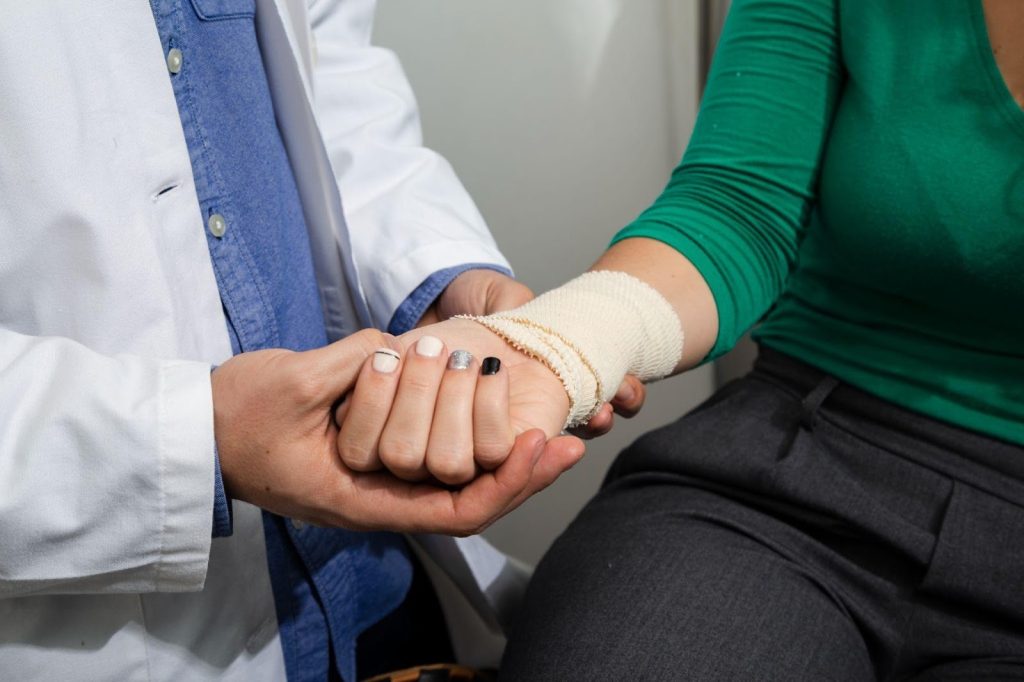
In the United States, over 39 million individuals go to emergency rooms annually due to injuries. This figure alone demonstrates how frequent serious accidents are and how, in the blink of an eye, life may change. An auto accident, a slip and fall, a workplace accident, or a sports accident does not merely leave bruises and broken bones. It influences your whole body, your mind, money, and family life.
Recovery does not only concern stitches, surgeries, or medication. It involves regaining strength, recovering trust, and managing the financial strain that usually ensues.
Let’s explore how personal injury affects health and what the journey to healing really looks like.
Understanding the Physical Impact of Personal Injury
Injuries can be minor sprain injuries or major traumatic injuries that can change lives.
These are some of the most popular:
- Fractures and dislocations
- Whiplash and neck injuries
- Spinal cord damage
- Traumatic head injuries (TBI)
- Soft tissue damage
- Internal bleeding
According to the Centers for Disease Control and Prevention (CDC), unintentional injuries are a leading cause of death for people that are under age 45 in the United States. Even when not fatal, they mostly result in long-term disability.
It may require weeks, months, or even years to recover physically. A minor fracture can be healed in six to eight weeks. Whereas spinal injury can lead to lifelong therapy.
Many patients need:
- Surgery
- Physical therapy
- Pain management
- Occupational therapy
- Assistive devices
Healing is rarely linear. There are days when one feels good and optimistic. Pain and frustration are brought by others.
The body requires time to heal, and overworking may slow things down.
Emotional and Mental Health After an Accident
Physical wounds are visible. Emotional scars are not.
It is normal to have anxiety, depression, and even post-traumatic stress disorder (PTSD) after a serious event. A person who was involved in a car crash might be scared to drive once again. An injured worker on a construction site can experience stress when coming back to the same workplace.
Research published by the National Institutes of Health shows that injury survivors have higher rates of mood disorders compared to the general population. Insomnia, irritability, and concentration deficit are also prevalent.
Mental health services are important for recovery. Counseling, support groups, and at times medication are used in helping individuals to attain emotional balance.
Psychological impact should not be ignored, or it can slow down complete healing.
The Financial Stress That Follows Injury
The cost of medical treatment is high. Despite insurance, patients have to pay deductibles. Even a brief stay in the hospital may cost thousands of dollars.
Surgery, scan images, and treatment sessions all add up. The loss of income is another strain when one is unable to work as part of recovery.
This financial strain sometimes becomes as painful as the injury itself. Bills mostly arrive while the person is still trying to stand, walk, or manage pain.
In many cases, victims rely on insurance settlements or legal claims to meet expenses. However, these processes take time. Meanwhile, hospitals and clinics expect payment.
Legal Rights After a Personal Injury
The law permits the victims to be compensated in case the injury was inflicted on them by another party. This may include:
- Medical expenses
- Lost wages
- Pain and suffering
- Future care costs
Most states have time limits in which individuals need to bring claims in matters of personal injuries.
This is referred to as the statute of limitations. As an example, the overall time period of a personal injury claim in California is two years after the injury.
Understanding legal rights is important. Failure to meet deadlines may deny a person the compensation that will facilitate recovery.
Managing Medical Debt During Recovery
Many individuals encounter piles of statements as they continue with treatment. Unpaid medical bills can damage credit scores, cause collection calls, and create legal risks if ignored.
Hospitals and providers often send outstanding balances to collection agencies after a certain period. This adds stress at a time when focus should be on healing.
This is where Personal Injury collections become relevant. These specialized services deal with accounts related to accident-related claims. They know that the payment is frequently based on the insurance settlements or legal results.
They do not employ aggressive strategies but operate within the legal system of personal injuries. Collections that are related to claims of injury are governed by certain rules when properly handled. Most providers accept to wait till settlement, after which they would require full payment.
The process may be facilitated by a “letter of protection” from an attorney that guarantees future settlement money.
Being aware of these alternatives will enable patients to prevent panic and make choices.
The Role of Insurance in Recovery
Health insurance, auto insurance, and workers’ compensation all play different roles individually, depending on how the injury occurred.
- Personal injury protection (PIP) may be used in case of auto accidents.
- Workers are usually covered under workers’ compensation laws due to incidents at the workplace.
- Slip-and-fall injuries could be subject to property liability insurance.
Every system possesses paperwork, due dates, and procedures of approval. Delays are common. Disputes can be rejected or partially accepted. It takes records and time to make appeals.
Surprisingly, knowledge of policy terms aids in avoiding surprises. It also minimizes the chances of outstanding huge balances.
Practical Steps for a Smoother Recovery
Here are simple but powerful actions after an injury:
- Seek immediate medical care
- Store duplicates of the records and receipts
- Strict adherence to treatment plans
- In case the other party is at fault, consult a qualified personal injury attorney
- Discuss payment arrangements in advance to prevent unpaid balances
- Check the mental state and consult a counselor.
Minor steps bring gradual improvement.
Hope Beyond the Injury
Personal injury needs time and patience to heal and adequate support. Physical scars can be faded gradually. The healing of emotions might need more effort. The budgeting might require some time.
However, lots of individuals manage to recreate their lives.
Knowledge about medical care, legal rights, and financial management minimizes the uncertainty. With information and companionship, it becomes easier to handle the situation.
The road may be long, but it is not impossible. Strength returns step by step. Stability follows informed decisions. And with proper care, life can move forward again.
