
How to Keep Your Home Comfortable Year-Round: Smart HVAC Tips Every Homeowner Should Know
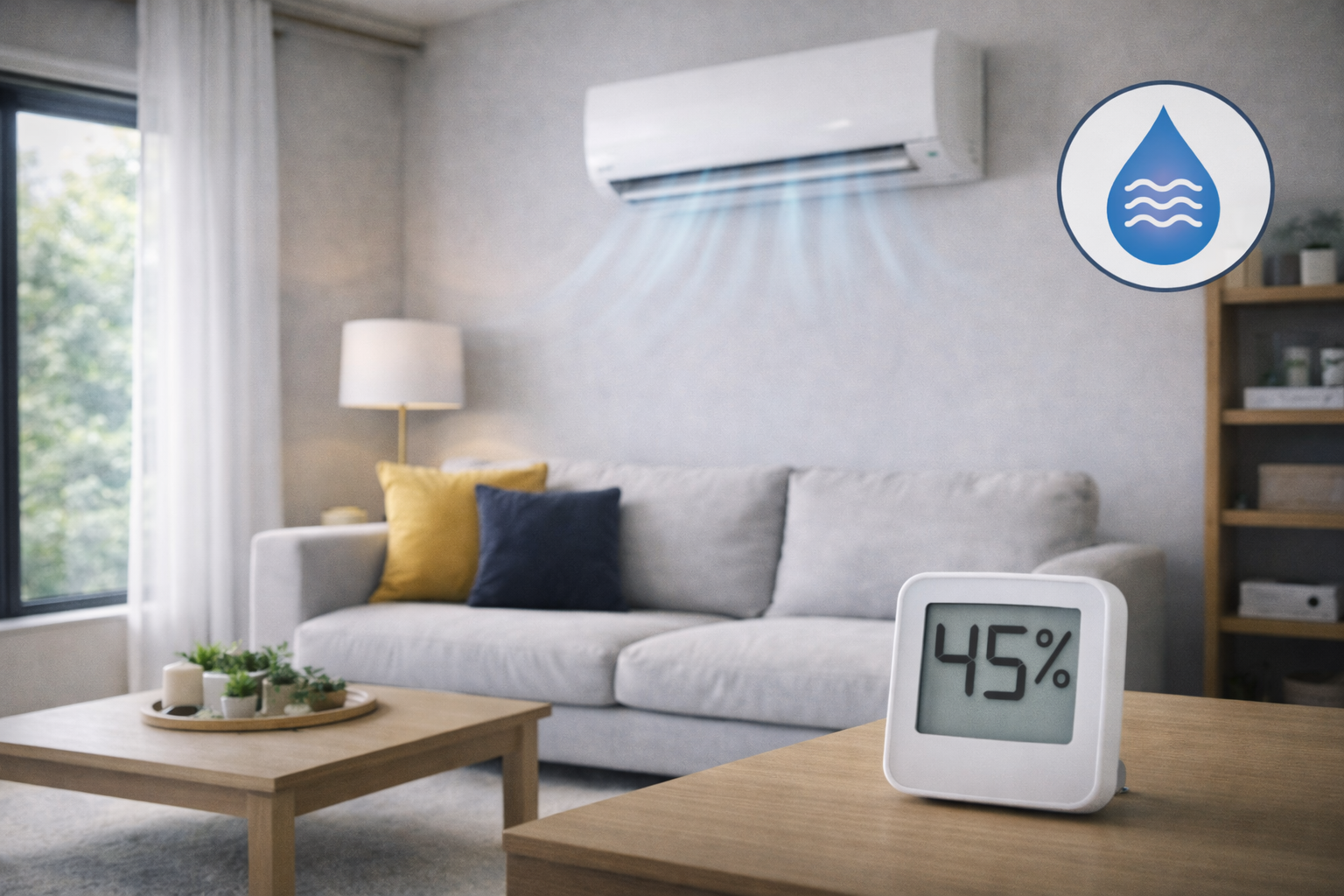
Maintaining a comfortable home isn’t just about adjusting the thermostat. Your heating and cooling system works behind the scenes every day to keep indoor temperatures stable, air clean, and energy costs manageable. Yet many homeowners only think about their HVAC system when something goes wrong.
Understanding how to care for your system—and when to call professionals—can make a huge difference in your home’s comfort, efficiency, and long-term maintenance costs. With the right habits and guidance, your HVAC system can operate smoothly through the hottest summers and the coolest winter nights.
Why Your HVAC System Plays a Bigger Role Than You Think
Most homeowners view their HVAC system as simply the machine that blows hot or cold air through the vents. In reality, it’s a complex network of components designed to regulate indoor climate, control humidity, and circulate air throughout the entire home.
A properly functioning HVAC system does several important things:
- Maintains consistent indoor temperatures
- Improves indoor air quality by filtering dust and allergens
- Controls humidity levels inside the home
- Enhances energy efficiency and reduces utility costs
- Extends the lifespan of heating and cooling equipment
When any part of the system becomes inefficient—whether it’s clogged filters, damaged ductwork, or worn components—it can impact both comfort and energy consumption.
Signs Your HVAC System May Need Attention
HVAC systems rarely fail without warning. In most cases, small signs appear long before a major breakdown occurs. Recognizing these early indicators can help prevent costly repairs later.
Watch for these common warning signs:
- Weak airflow coming from vents
- Rooms cooling or heating unevenly
- Strange noises like grinding, rattling, or buzzing
- Rising energy bills without increased usage
- Musty or burning smells from vents
- The system frequently turning on and off
These symptoms may indicate issues such as airflow restrictions, failing components, refrigerant leaks, or thermostat problems. Addressing them early can keep the system running efficiently and help avoid larger repairs.
The Importance of Regular HVAC Maintenance
Just like a car, HVAC systems require routine maintenance to perform at their best. Many homeowners overlook preventive care, but regular inspections and tune-ups can significantly extend the life of your system.
Routine maintenance typically includes:
- Cleaning condenser and evaporator coils
- Inspecting electrical components
- Checking refrigerant levels
- Testing thermostat calibration
- Inspecting ductwork and airflow
- Replacing air filters
These simple steps help prevent system strain, improve efficiency, and reduce the likelihood of unexpected breakdowns during extreme weather.
Scheduling professional maintenance at least once or twice per year—usually before peak heating and cooling seasons—helps ensure your system is ready when you need it most.
How Dirty Filters Affect Comfort and Efficiency
One of the most common HVAC problems comes from something surprisingly simple: a dirty air filter.
Air filters capture dust, pet dander, pollen, and other particles before they circulate through your home. Over time, however, these filters become clogged. When airflow becomes restricted, the system has to work harder to push air through the ducts.
This can lead to several problems:
- Reduced airflow throughout the house
- Increased energy consumption
- Frozen evaporator coils
- Poor indoor air quality
- Premature wear on system components
For most homes, replacing filters every 1–3 months is recommended, though homes with pets or high dust levels may require more frequent changes.
Why Professional HVAC Support Matters
While homeowners can handle basic maintenance like changing filters and clearing debris around outdoor units, many HVAC issues require professional expertise. Heating and cooling systems involve electrical components, refrigerants, and specialized diagnostic tools that trained technicians are equipped to handle.
Professional HVAC technicians can:
- Diagnose system problems accurately
- Repair or replace worn components
- Optimize airflow and duct performance
- Install energy-efficient upgrades
- Ensure systems meet safety and performance standards
Choosing experienced professionals can make a significant difference in how efficiently your system runs and how long it lasts.
For homeowners looking to learn more about reliable heating and cooling solutions, exploring resources like cowboysac.com can provide helpful insights into HVAC services, maintenance approaches, and system care.
Energy Efficiency Starts With Smart HVAC Practices
Energy efficiency isn’t just about buying new equipment. Small adjustments in how you operate and maintain your HVAC system can produce noticeable savings over time.
Consider these practical efficiency tips:
1. Install a Programmable or Smart Thermostat
Smart thermostats automatically adjust temperatures based on your schedule, reducing energy use when you’re away or asleep.
2. Seal Air Leaks Around Doors and Windows
Air leaks allow conditioned air to escape, forcing your HVAC system to work harder.
3. Keep Vents and Registers Clear
Blocked vents restrict airflow and create uneven heating or cooling.
4. Improve Home Insulation
Well-insulated homes retain conditioned air longer, reducing system workload.
5. Schedule Preventive Maintenance
Regular tune-ups help keep systems running efficiently and identify issues early.
Even small improvements in efficiency can significantly reduce monthly utility costs over time.
Planning for HVAC Replacement
No HVAC system lasts forever. Most heating and cooling systems have a lifespan of 10–15 years depending on usage, maintenance, and installation quality.
If your system is aging, replacement may become more cost-effective than repeated repairs. Signs it may be time to upgrade include:
- Frequent repairs
- Rising energy bills
- Inconsistent temperatures
- Excessive system noise
- Difficulty maintaining desired temperatures
Modern HVAC systems offer major improvements in energy efficiency, quieter operation, and smarter controls compared to older models.
When replacement becomes necessary, consulting experienced professionals ensures you choose the right system size, efficiency rating, and installation approach for your home.
Conclusion
A well-maintained HVAC system is essential for keeping your home comfortable, healthy, and energy-efficient throughout the year. From changing filters and monitoring airflow to scheduling professional inspections, small steps can prevent major problems down the line.
By understanding how your heating and cooling system works—and taking a proactive approach to maintenance—you can extend equipment lifespan, improve indoor air quality, and reduce long-term costs.
Homeowners who stay informed about HVAC care and explore reliable service resources like cowboysac.com are better prepared to keep their homes comfortable no matter what the weather brings.