
How a Dog’s Sleeping Positions Can Reveal Illness
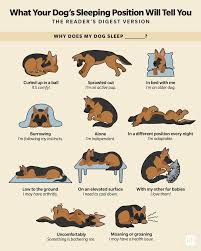
Dogs communicate a lot through body language, and one of the most overlooked signals is how they sleep. While most pet owners pay attention to appetite, energy levels, or coughing, changes in a dog’s sleeping positions—especially when sick—can offer early clues to underlying health issues. Understanding these subtle signs can help you recognize illness sooner and get your dog the care it needs. For a more detailed look at why dogs sleep differently when unwell, see dog sleeping positions when sick.
Why Sleeping Positions Matter
A dog’s sleeping position reflects comfort, security, and physical needs. Just like humans, dogs shift their posture to relieve discomfort or protect vulnerable areas. When a dog sleeps normally, it usually indicates they feel relaxed. However, unusual positions can signal pain, anxiety, digestive issues, or respiratory discomfort. Learning what each position might mean helps owners interpret their dog’s health without waiting for obvious symptoms.
Common Healthy Sleep Postures
Most healthy dogs adopt a few familiar sleep styles. “Curled up” is when the dog tucks in limbs and tail, common in cooler weather or when conserving warmth. “Side sleeping”—lying fully relaxed on one side—suggests the dog feels safe and comfortable. The “sprawled out” posture with legs extended is typical after exercise or in warm environments. These positions generally indicate normal relaxation and contentment, but changes warrant closer attention.
How Pain Changes Sleep Behavior
When dogs experience pain—whether from arthritis, injury, or internal discomfort—they may adopt positions that reduce strain on sore areas. A dog might sleep in a more rigid, guarded posture to protect painful joints or shift weight to avoid pressure. Restlessness or frequent position changes during sleep can also be a sign that the dog isn’t getting comfortable due to underlying physical issues.
Breathing Difficulties and Sleep
Respiratory problems often influence how dogs sleep. A dog struggling to breathe may prefer elevated head positions or semi‑upright postures that help open airways. Labored or noisy breathing during sleep is an important red flag. If your dog consistently adjusts its posture to breathe more easily, this could indicate heart, lung, or airway conditions that require veterinary evaluation.
Digestive Discomfort and Unusual Positions
Digestive pain can also affect sleep choices. Dogs with stomach upset or bloating may flatten their bellies to the floor or tuck limbs in awkward ways to ease cramps. A dog that resists lying on its usual side or shifts frequently after meals might be trying to alleviate abdominal discomfort. Monitoring sleep after feeding can reveal patterns linked to digestive distress.
For general advice on observing and understanding your dog’s behaviors and health, visit PetsCare.
Anxiety, Stress, and Restless Sleep
Stress impacts dogs just as it does humans. Changes in the home environment, loud noises, separation anxiety, or underlying illness can cause dogs to sleep fitfully. A dog that usually rests deeply but suddenly sleeps with hyper‑alert postures—ears up, body stiff—may be reacting to stressors. Recognizing stress‑related sleep changes early helps owners address emotional as well as physical wellness.
When Sleeping Changes Signal Urgency
Some sleep‑related changes demand immediate attention. Excessive panting, difficulty rising, inability to lie comfortably, or persistent refusal to rest in any position could point to serious conditions like internal pain, respiratory collapse, or neurological issues. If such signs persist, contact your veterinarian promptly.
How Age Affects Sleeping Habits
As dogs age, their sleep patterns and positions may evolve. Older dogs tend to sleep more and may shift positions to accommodate arthritis or reduced mobility. While some changes are age‑related, abrupt or extreme shifts in sleep behavior should not be dismissed as “just getting old”—they may still signal treatable health concerns.
Observing Sleep Without Disturbing Your Dog
To accurately assess your dog’s sleep patterns, observe quietly when they are unaware of your presence. Recording or noting positions over several nights helps identify consistent changes. Pair these observations with other behavior changes like appetite loss, limping, or lethargy to build a full picture of your dog’s health.
Taking Action for Better Health
Understanding the signals hidden in your dog’s sleeping positions empowers you to respond appropriately. Early detection, careful monitoring, and timely veterinary intervention improve outcomes and can prevent small issues from becoming serious problems. Regular check‑ups and open communication with your vet help ensure your dog stays comfortable and healthy.