
Dogmatic Head Collars: The Honest Conversation About What They Do, Who They Suit, and How to Get Them Right
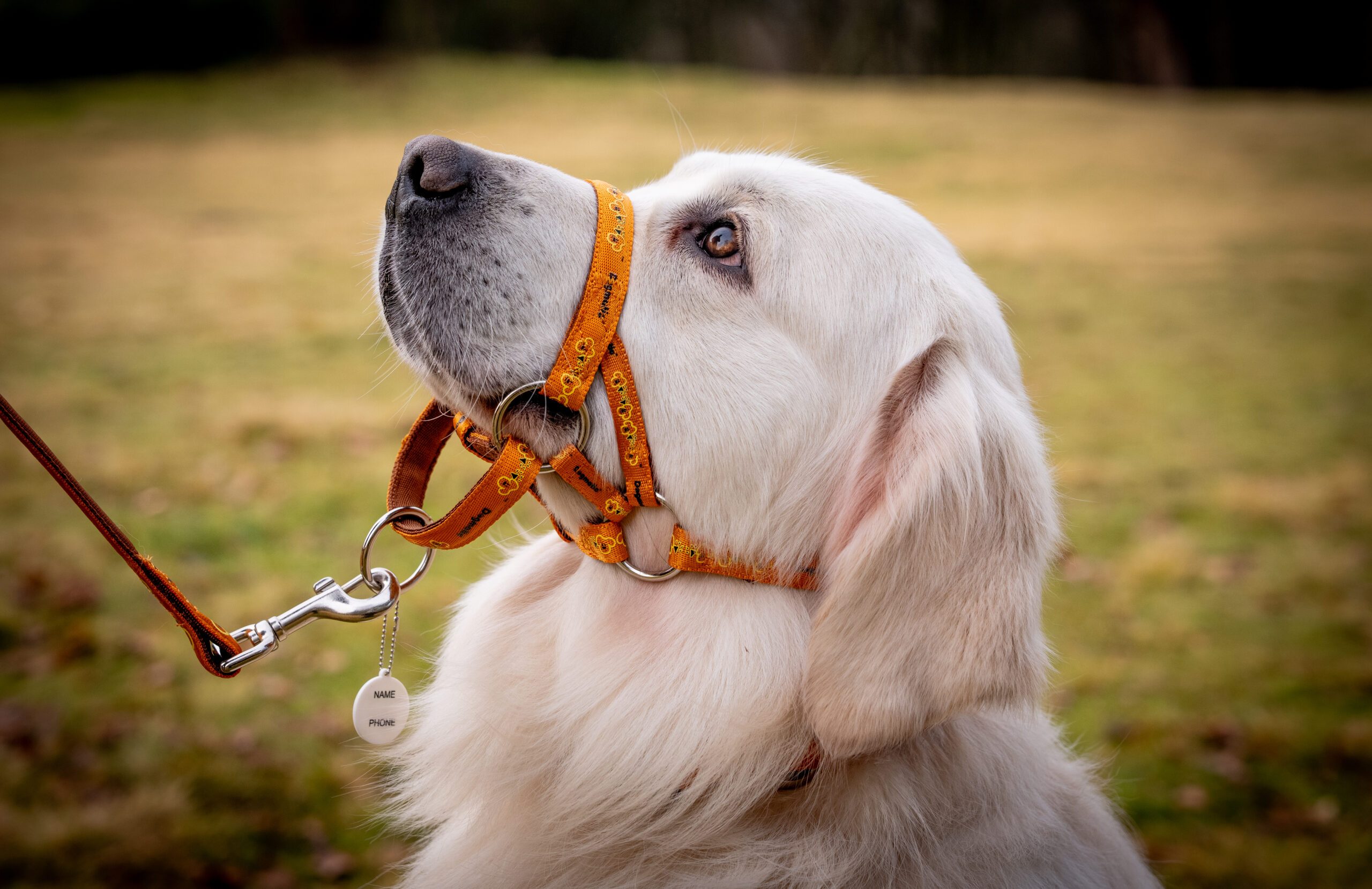
If you have a dog that pulls, you will have received no shortage of advice about what to try. Harnesses, slip leads, specific training techniques, and various collars with various mechanisms. Some of it will have helped a little. Some of it will have made no difference at all. And at some point, someone will have suggested a head collar, possibly with a degree of enthusiasm that made you wonder whether it actually lives up to the billing. Dogmatic head collars have a reputation that is grounded in genuine results, but they are also a product that works best when you understand how they work, who they suit, and how to introduce them properly.
The Force-Free Direction of Modern Dog Training
It is worth noting the context in which head collars sit in 2026. The force-free training philosophy is central to the current trends in dog training, with major veterinary and animal organisations around the world advocating reward-based methods and many countries considering or already banning aversive training tools. A well-designed head collar that provides gentle, pressure-free guidance rather than correction or punishment is a perfect fit for where professional dog training is heading in that context. Dogmatic has been voted Best Training Product in 2025 and 2026, a recognition that reflects its position in a market that is increasingly embracing humane, effective solutions over tools that are based on discomfort or fear.
How the Head Collar Actually Works
The principle is simple and it is effective. A dog’s natural response to pressure on its body is to push into that pressure. This is why dogs pull against harnesses and flat collars. A head collar changes the point of control entirely. By gently guiding the direction of the dog’s head, it redirects attention and movement without confrontation or force.
The Dogmatic eliminates pulling and lunging with complete but gentle control, and its unique registered design means it will not ride up, under, or into the eyes. That last point matters more than it might initially seem. A head collar that rides up into the dog’s eyes or nose causes real discomfort and will be resisted constantly. One that stays correctly positioned is the difference between a product that works and one that the dog spends every walk trying to remove.
Who Benefits Most
Head collars are not the right solution for every dog in every situation, and being honest about this is important. They are particularly effective for dogs that are large or strong enough that pulling is a genuine physical challenge for the handler. They work well for reactive dogs, where the ability to quickly and gently redirect attention makes a real difference to the safety and stress levels of a walk. They are valuable for dogs that have been pulling for years and have developed a deeply ingrained habit that other equipment has failed to address.
They are also genuinely useful for owners with physical limitations. The reduction in physical effort required to manage a strong-pulling dog when using a head collar is one of the most consistently mentioned benefits by Dogmatic users, and it is a practical consideration that does not get enough attention in the broader conversation about dog training equipment.
The Introduction: Where Most People Go Wrong
This is the single most important practical point about using any head collar, and it is consistently underestimated. A dog introduced to a head collar abruptly, without positive association built up beforehand, will resist it. This is not a problem with the product. It is a problem with the introduction.
The right approach involves introducing the head collar gradually over several short sessions before it is ever used on a walk. Letting the dog sniff and investigate it. Rewarding calmly when the dog shows relaxed interest. Briefly fitting it without immediately attaching a lead. Building positive association before any expectation of compliance. Done properly, most dogs adapt within a few days to a week. Rushed, and the product never gets a fair chance to demonstrate what it can do.
Fitting Correctly
The neck strap adjusts on both sides for a snug, comfortable fit, even on long-haired or wriggly dogs, and the centrally fastening clasp makes fitting easier, particularly for dogs that move around during the process. A correctly fitted head collar sits snugly enough that it cannot be pulled off over the nose but not so tightly that it causes any restriction. If the nose band is too loose, the dog will work it off within minutes. If it is too tight, it will be uncomfortable. Getting the fit right at the start makes everything else considerably easier.
The Closing Thought
Dogmatic head collars work. They have been working for enough dogs, across enough breeds and temperaments, for long enough, that the evidence is not really in question. The owners who get the best results are the ones who take the introduction seriously, fit the product correctly, and give both themselves and their dog time to adjust to a new way of walking. Do those things and the improvement in your walks is likely to be significant.
