
The Role of Cats in Ancient Egypt — And Why It Still Matters Today
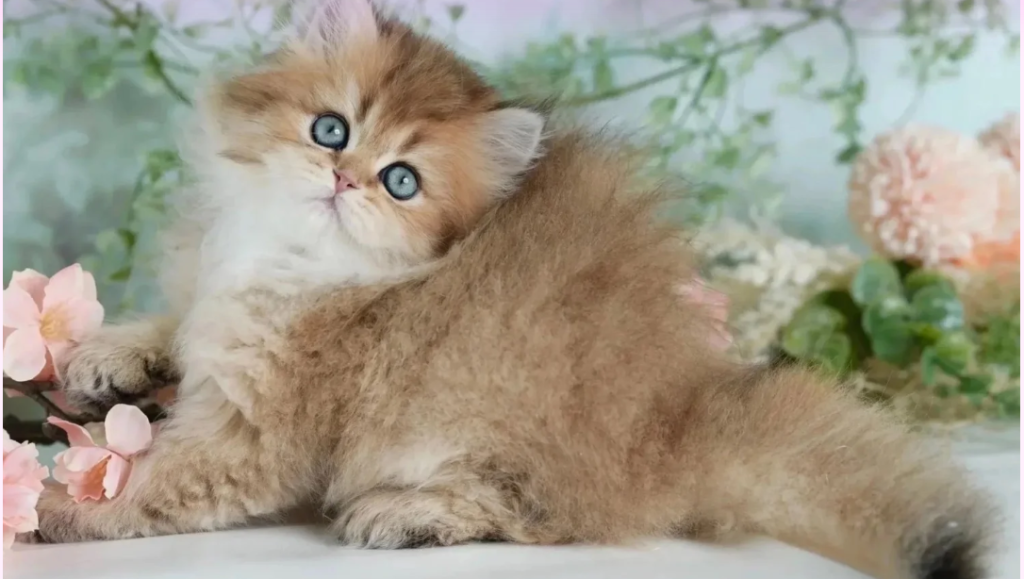
In Ancient Egypt, cats were far more than domestic animals. They were protectors, sacred symbols, and deeply respected members of society. Their influence stretched from grain fields to temples, from family homes to royal courts.
Understanding their role in ancient civilization gives powerful context to why certain breeds — especially Persian cats — are still admired for their grace and presence today. For modern lovers of these elegant companions, seeing that spiritual lineage can deepen the bond we share with them. If you’re curious about welcoming one into your home, you can learn more at https://www.dreamdollpersians.com/.
Guardians of Home and Harvest
Ancient Egypt was an agricultural civilization. Grain storage was essential for survival, and with grain came rodents and snakes. Cats became indispensable for protecting food supplies, quietly defending homes and farms from pests.
Their usefulness elevated their status quickly. Families valued them not just as working animals, but as guardians of prosperity and safety. Over time, this practical importance transformed into cultural reverence.
That deep-rooted respect for cats as protectors still echoes today. When you watch a calm Persian observing its surroundings — poised, alert, quietly aware — you’re witnessing a lineage of instinct shaped thousands of years ago.
Sacred Connection to Bastet
Cats were closely associated with the goddess Bastet, who represented protection, fertility, home, and joy. Early depictions showed her as a lioness, symbolizing strength. Later, she appeared with the head of a domestic cat, reflecting the gentler qualities people saw in their feline companions.
The city of Bubastis became the center of her worship, hosting massive festivals in her honor. Cats living in temple complexes were treated with exceptional care, and harming a cat was considered a grave crime.
This wasn’t symbolic appreciation — it was legal and spiritual protection.
The elegance and composed nature of modern Persian cats often feels like a continuation of that sacred symbolism. At Dream Doll Persians, this connection to history isn’t about mythology — it’s about preserving the temperament and dignity that have defined revered cats for centuries.
Mummification and the Afterlife
Perhaps the strongest evidence of feline importance in Ancient Egypt is mummification. Archaeologists have uncovered vast cat cemeteries containing thousands of preserved remains. Some cats were beloved household companions buried with care. Others were raised in temple complexes and offered as sacred gifts.
This practice shows that Egyptians believed cats held spiritual significance beyond this life. Their calm demeanor, self-contained nature, and watchful presence likely reinforced this belief. Cats appeared to exist slightly apart from humans — connected, but independent. Observant, but mysterious.
Symbols of Power and Grace
Cats also embodied duality. While Bastet represented protection and domestic harmony, another lioness goddess, Sekhmet, symbolized war and destruction. Together, they reflected the balanced nature Egyptians saw in felines: gentle yet powerful, serene yet capable.
This balance of softness and strength is still admired in Persian cats today — a breed known for composure, quiet confidence, and emotional steadiness.
Breeders like Dream Doll Persians focus not only on physical beauty but also on preserving that calm, grounded temperament — a quality that has been admired since the time of the pharaohs.
