
International Law and Volunteer Missions: Rights, Responsibilities, and Protections
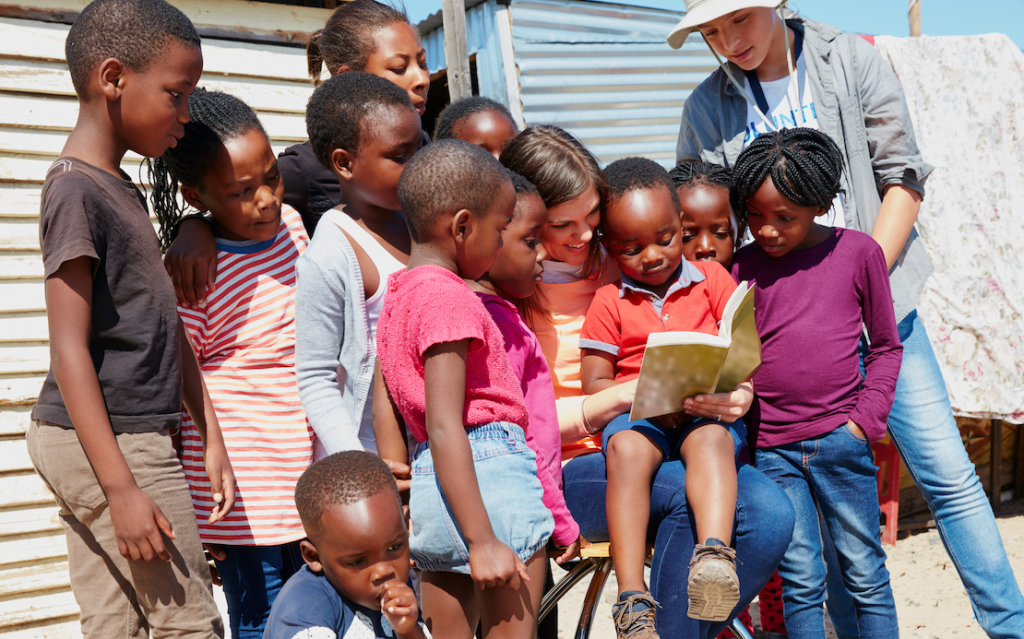
Volunteer missions play a vital role in addressing global challenges, from humanitarian aid to education, healthcare, and environmental protection. As international volunteering continues to grow, so does the importance of understanding the legal frameworks that govern these missions. International law shapes how volunteers operate across borders, defining their rights, responsibilities, and the protections available to them. Whether participating in short-term placements or long-term projects, volunteers and host organisations must navigate a complex intersection of international agreements, domestic laws, and ethical obligations. A clear understanding of these legal principles ensures safer, more effective, and legally compliant volunteer missions worldwide.
The Role of International Law in Volunteer Missions
International law provides the overarching framework that regulates cross-border activities, including volunteer missions. While there is no single universal treaty dedicated exclusively to volunteering, multiple legal instruments collectively influence how volunteer programs operate. These include international human rights conventions, humanitarian law, labour standards, and immigration regulations.
Volunteer missions often fall under the jurisdiction of both the sending country and the host nation. This dual legal exposure means that volunteers must comply with local laws while also being protected by international norms. For example, volunteers working in post-conflict or disaster-affected areas may be indirectly governed by international humanitarian law, particularly when operating alongside non-governmental or intergovernmental organisations.
Legal Status of International Volunteers
One of the most common legal challenges in volunteer missions is determining the volunteer’s legal status. Volunteers are generally not classified as employees, which affects their rights to wages, labour protections, and benefits. However, this distinction varies by country. Some jurisdictions impose strict rules to prevent volunteer arrangements from replacing paid labour, while others offer more flexibility.
Visa and immigration laws are particularly critical. Volunteers must obtain the correct visa type, as entering a country on a tourist visa while volunteering can result in legal penalties or deportation.
Rights of Volunteers Under International Frameworks
Despite not being employees, volunteers retain fundamental human rights under international law. These include the right to personal safety, freedom from discrimination, access to medical care, and protection from exploitation or abuse. International human rights treaties, such as those addressing civil, political, economic, and social rights, apply to all individuals regardless of nationality or employment status.
Volunteers also have the right to clear information about their role, risks involved, and the support available to them. Transparency is a legal and ethical obligation for host organisations, particularly when placements involve vulnerable communities or high-risk environments.
Responsibilities and Ethical Obligations
International law not only grants rights but also imposes responsibilities. Volunteers are required to respect the laws, customs, and cultural norms of the host country. Failure to do so can result in legal consequences and undermine the mission’s objectives.
Ethical responsibility is equally important. Volunteers must act within the scope of their training and avoid activities that could cause harm, such as providing unqualified medical assistance or interfering with local governance. Host organisations are responsible for proper training, supervision, and risk management to ensure volunteers operate lawfully and ethically.
Protections and Risk Management Measures
Legal protections for volunteers often depend on contractual agreements between the volunteer and the sending or host organisation. These agreements typically outline liability coverage, insurance provisions, dispute resolution mechanisms, and emergency procedures.
Insurance is a key protective measure. Comprehensive coverage should include health insurance, accident protection, evacuation services, and personal liability. In some cases, international organisations extend diplomatic or quasi-diplomatic protection to volunteers, though this is not universal and should never be assumed.
Risk assessments and safeguarding policies are increasingly viewed as legal necessities rather than optional best practices. Proper documentation and compliance with international standards help protect both volunteers and organisations from legal disputes.
Dispute Resolution and Accountability
When disputes arise, determining jurisdiction can be complex. Conflicts may involve local courts, international arbitration, or internal grievance mechanisms. Clear contracts and well-defined legal frameworks help reduce ambiguity and ensure accountability on all sides.
Host organisations must also comply with international standards related to safeguarding, particularly when working with children or vulnerable populations. Failure to meet these obligations can result in legal action, reputational damage, and loss of operational authority.
Final Remarks
International law plays a crucial role in shaping safe, ethical, and effective volunteer missions. By defining rights, responsibilities, and protections, legal frameworks help balance goodwill with accountability. Volunteers who understand these principles are better prepared to contribute positively, while organisations that prioritise legal compliance strengthen the sustainability and credibility of their missions. As global volunteering continues to expand, legal awareness will remain essential to protecting everyone involved.
Author BIO: Callum Hewitt writes about global volunteering, social initiatives, and community-focused projects, with a particular interest in volunteer Vietnam initiatives.
